Don'ts
This page points out some installation and commissioning deficiencies that appear again and again across projects — what we all, contractors, designers, and building owners must avoid.
This page points out some installation and commissioning deficiencies that appear again and again across projects — what we all, contractors, designers, and building owners must avoid.
Beginning functional commissioning without completing installation QA checks is one of the most common and costly mistakes. Incomplete installations discovered mid-commissioning cause programme delays, re-mobilisation costs, and damaged relationships.
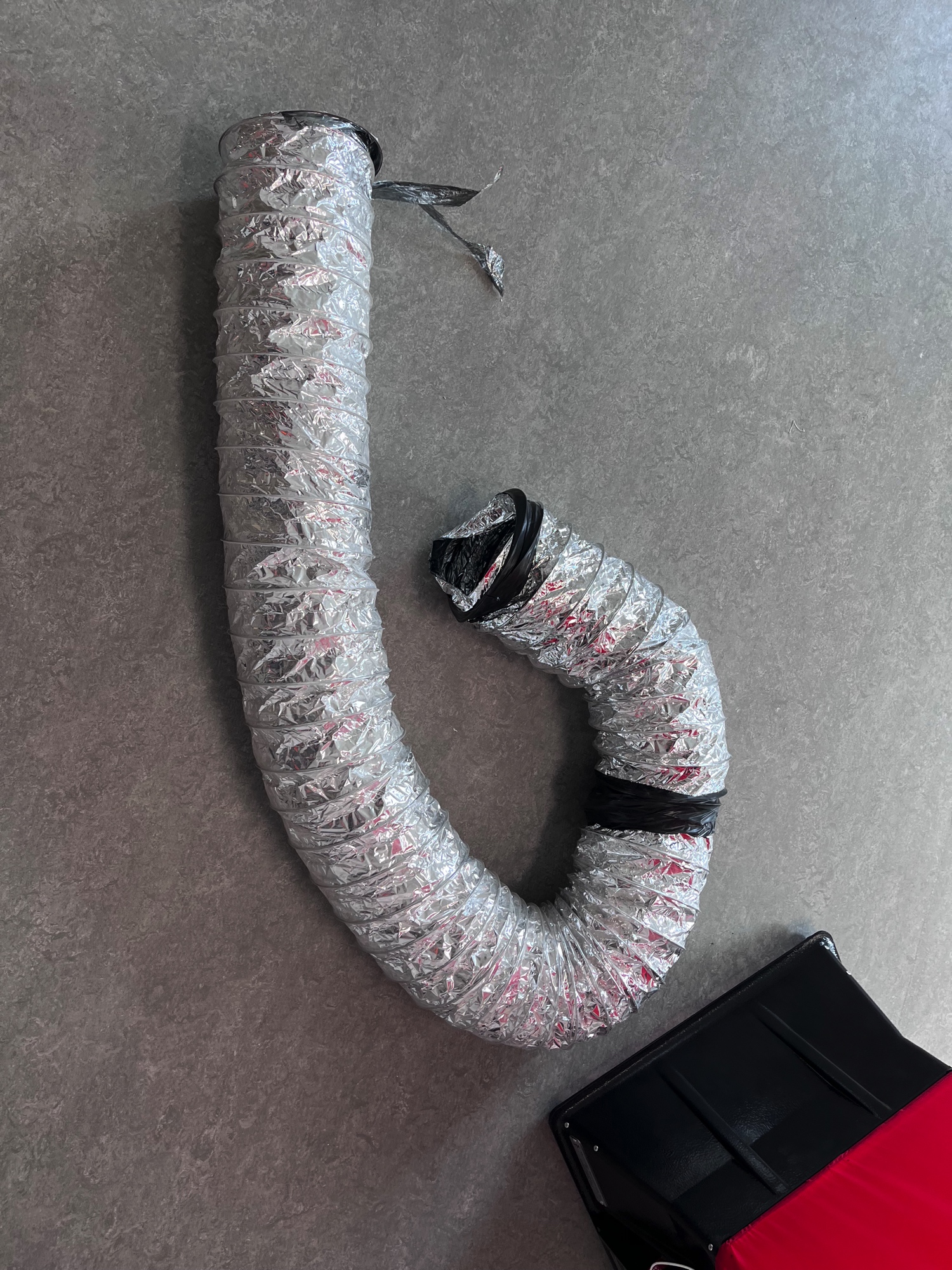
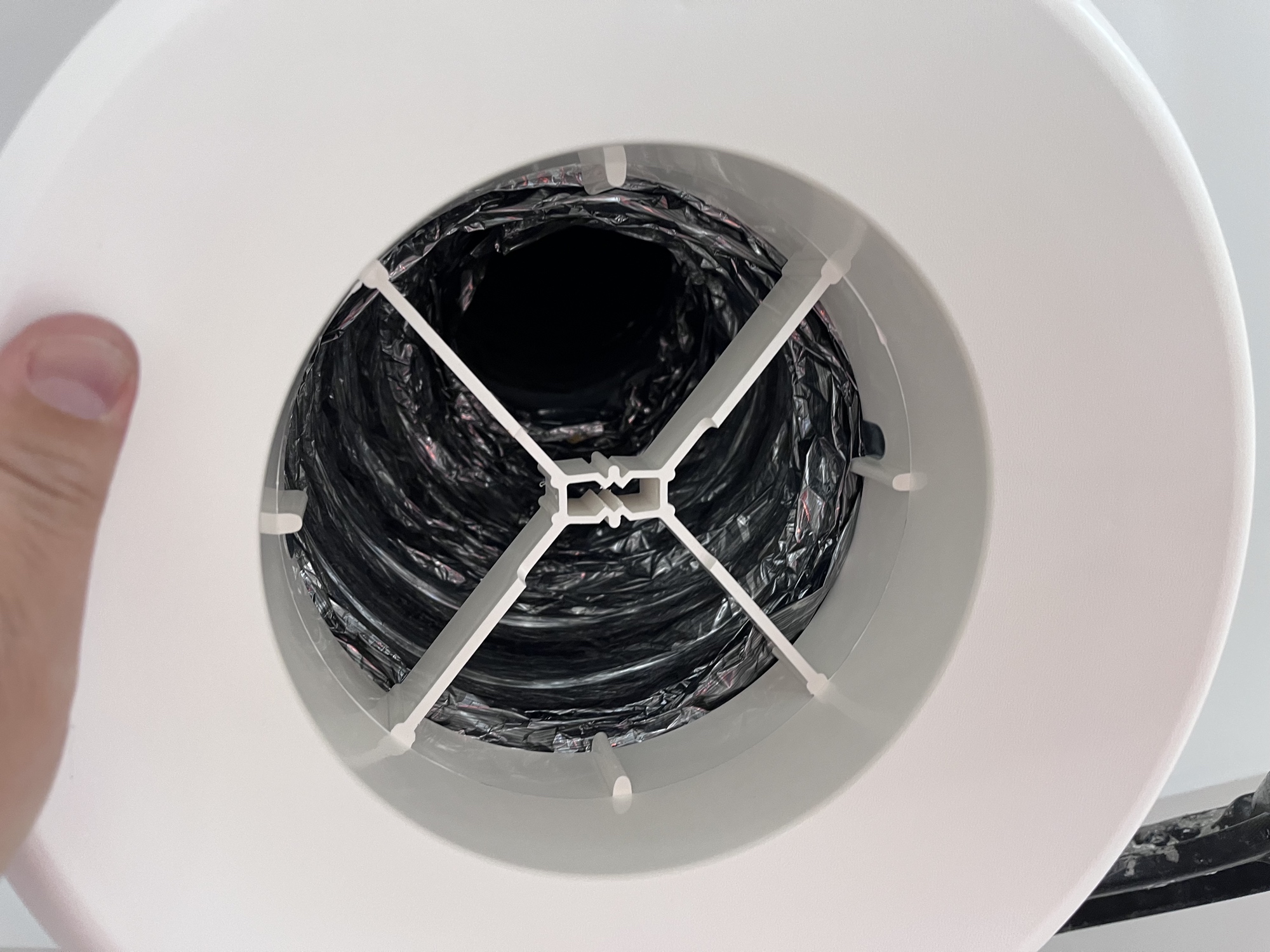
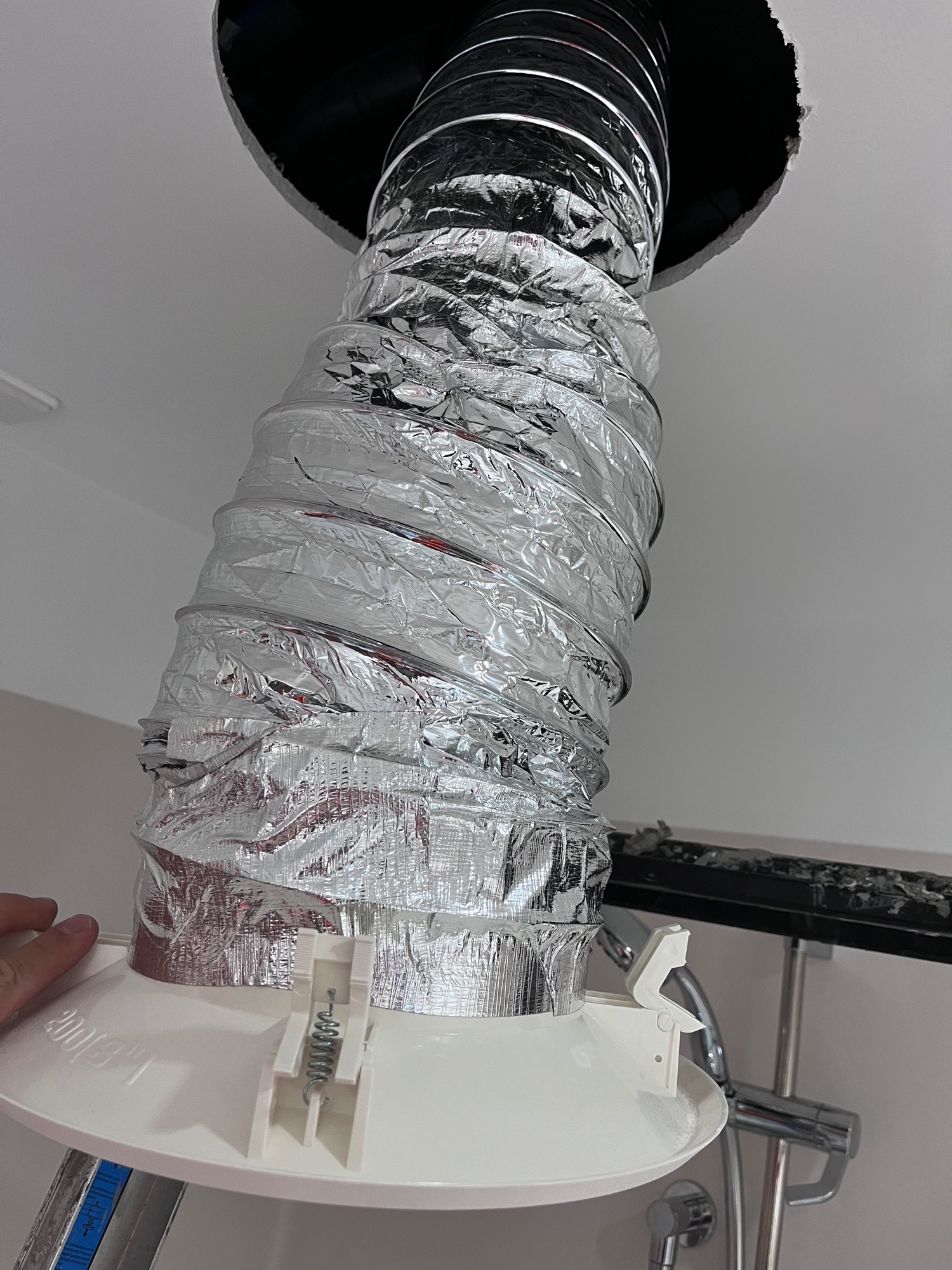
Common defective installation of flexible duct — to be avoided for a healthy commissioning process.
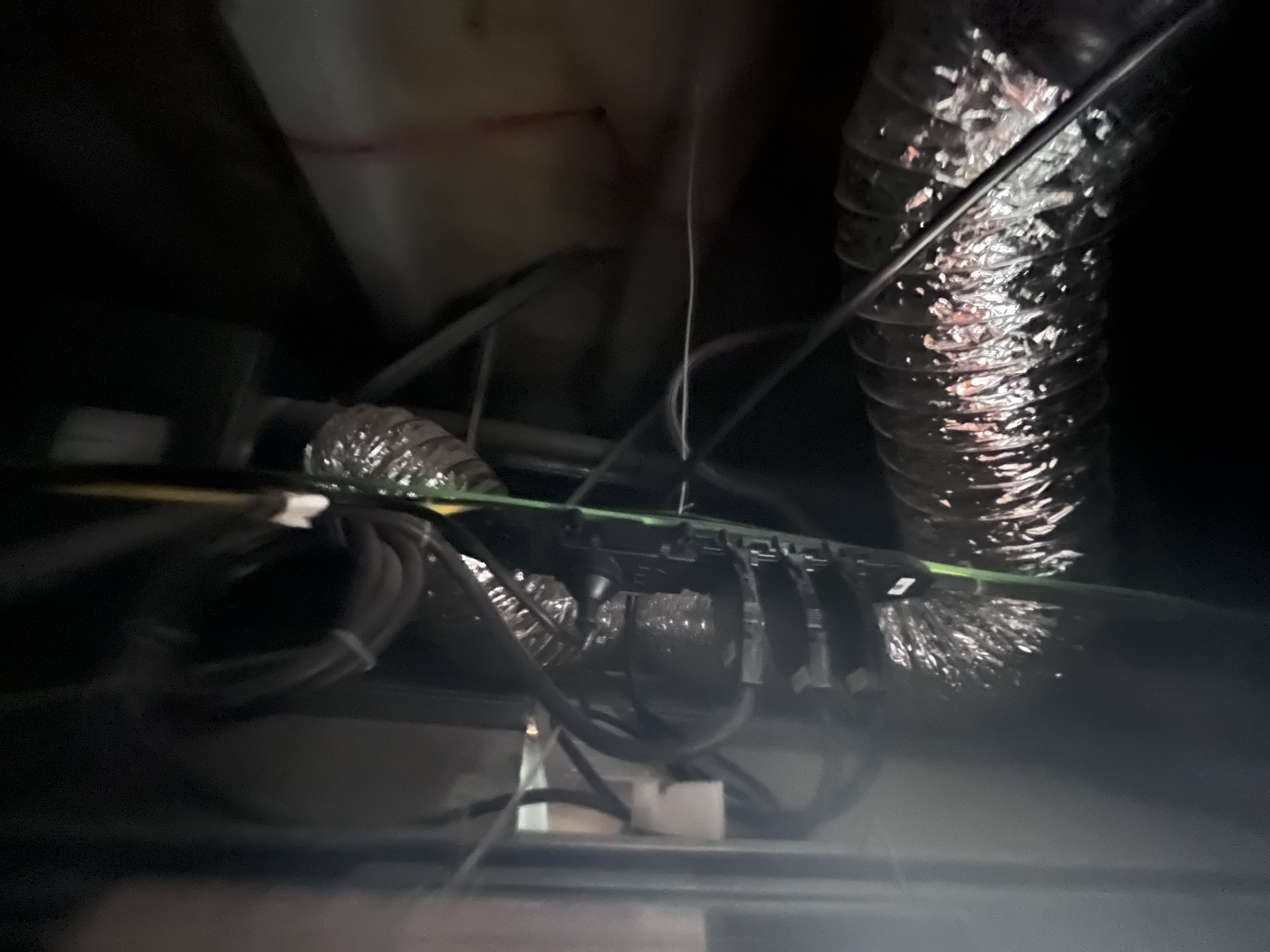
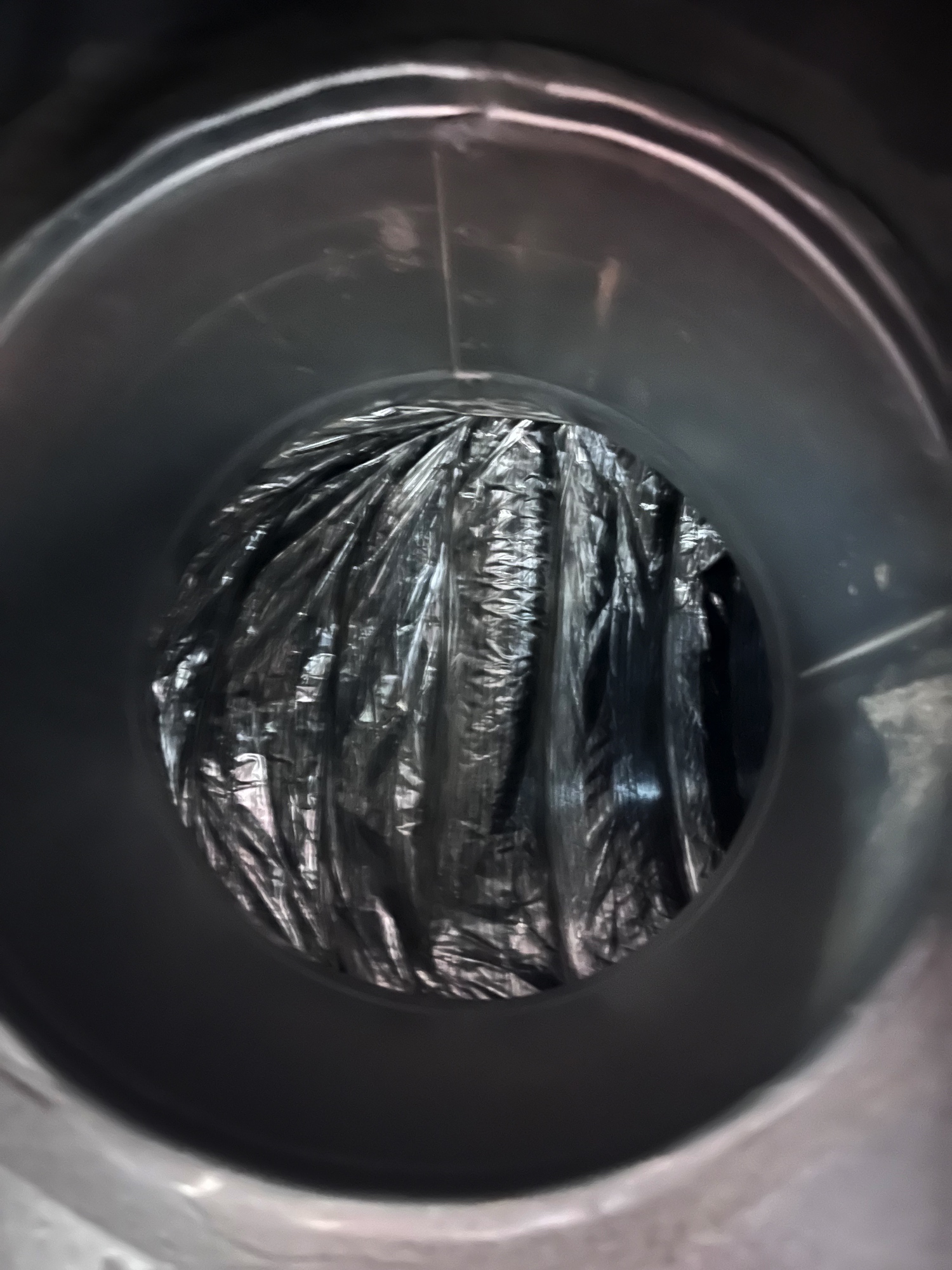
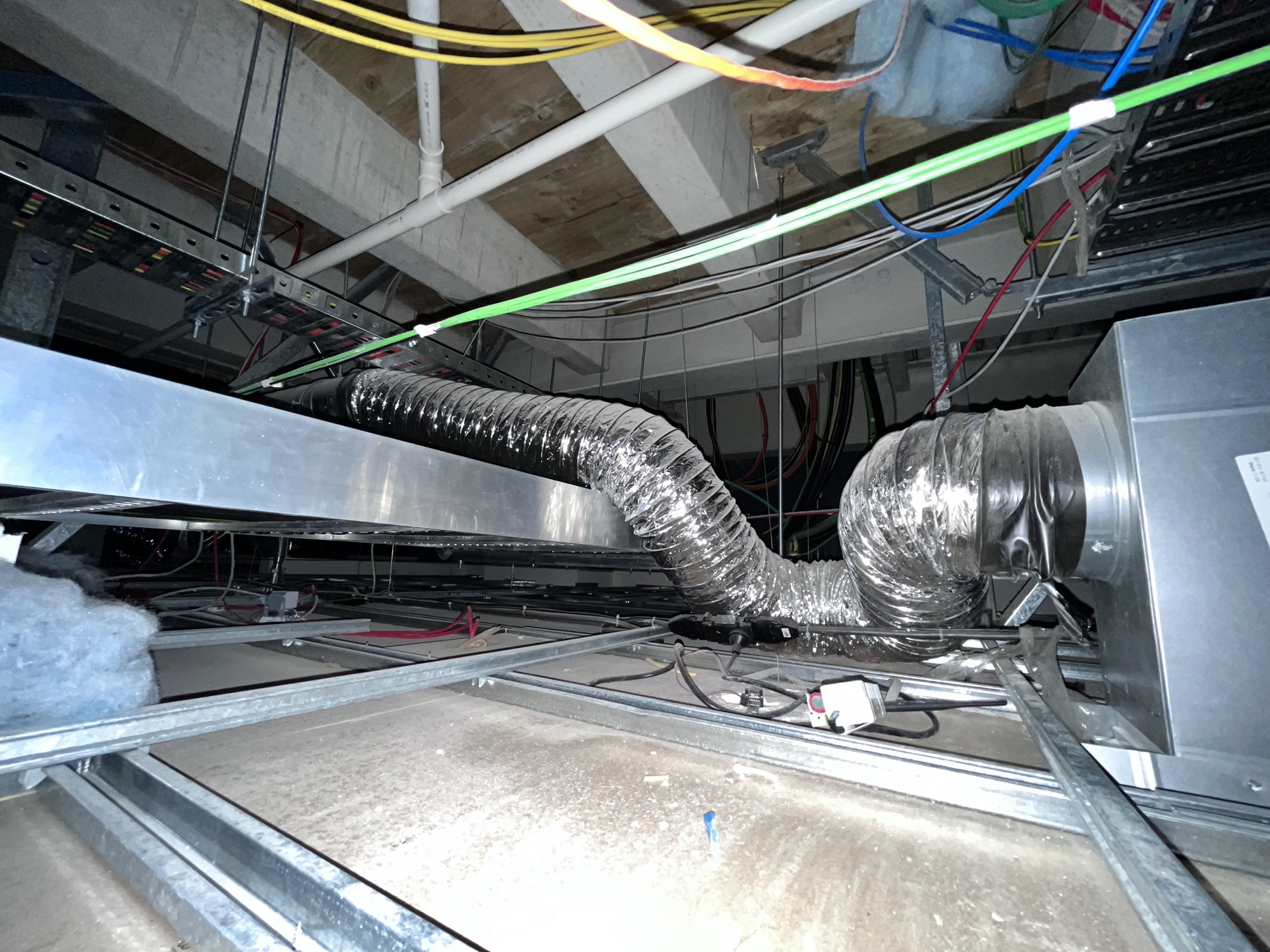
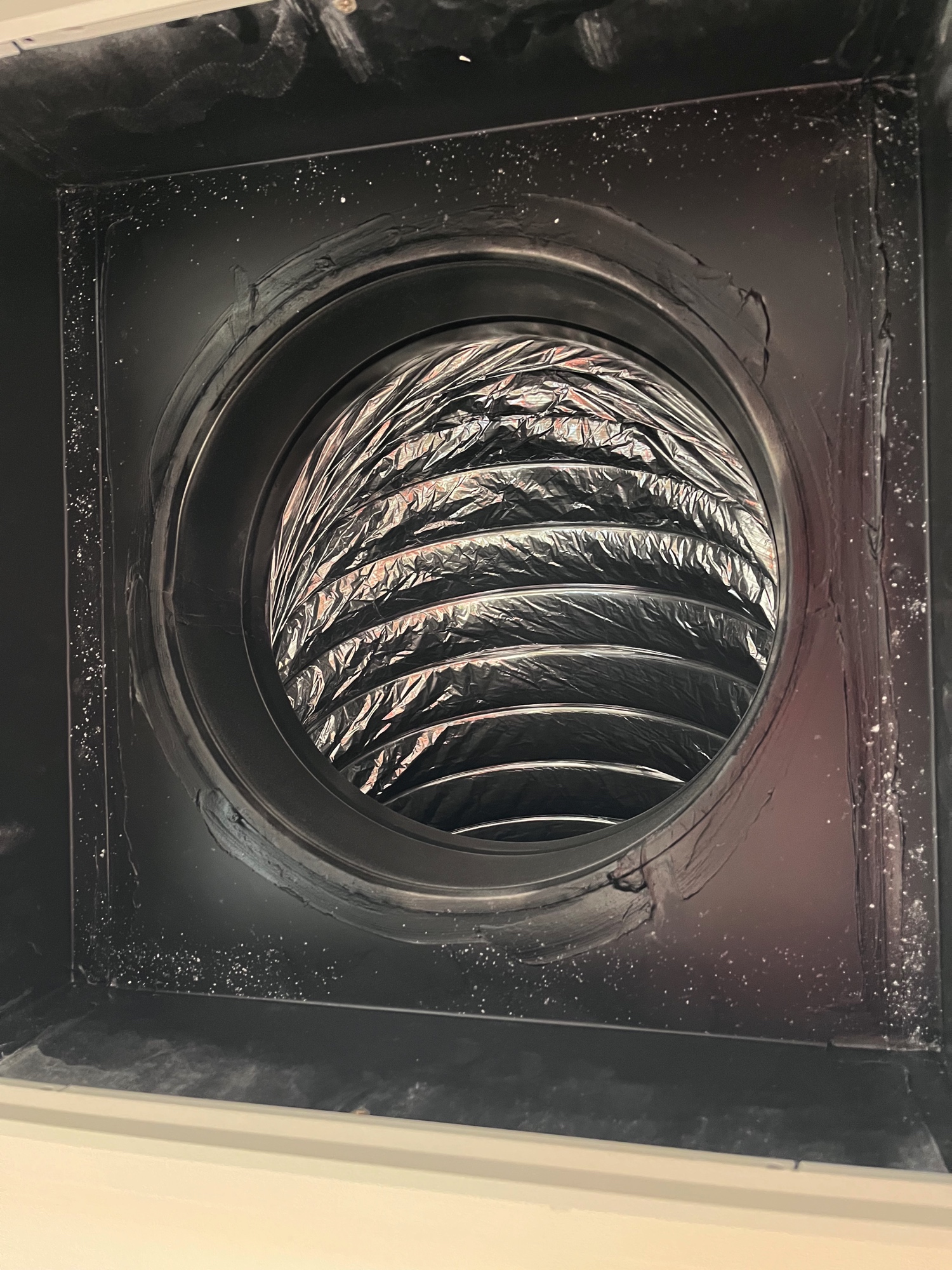
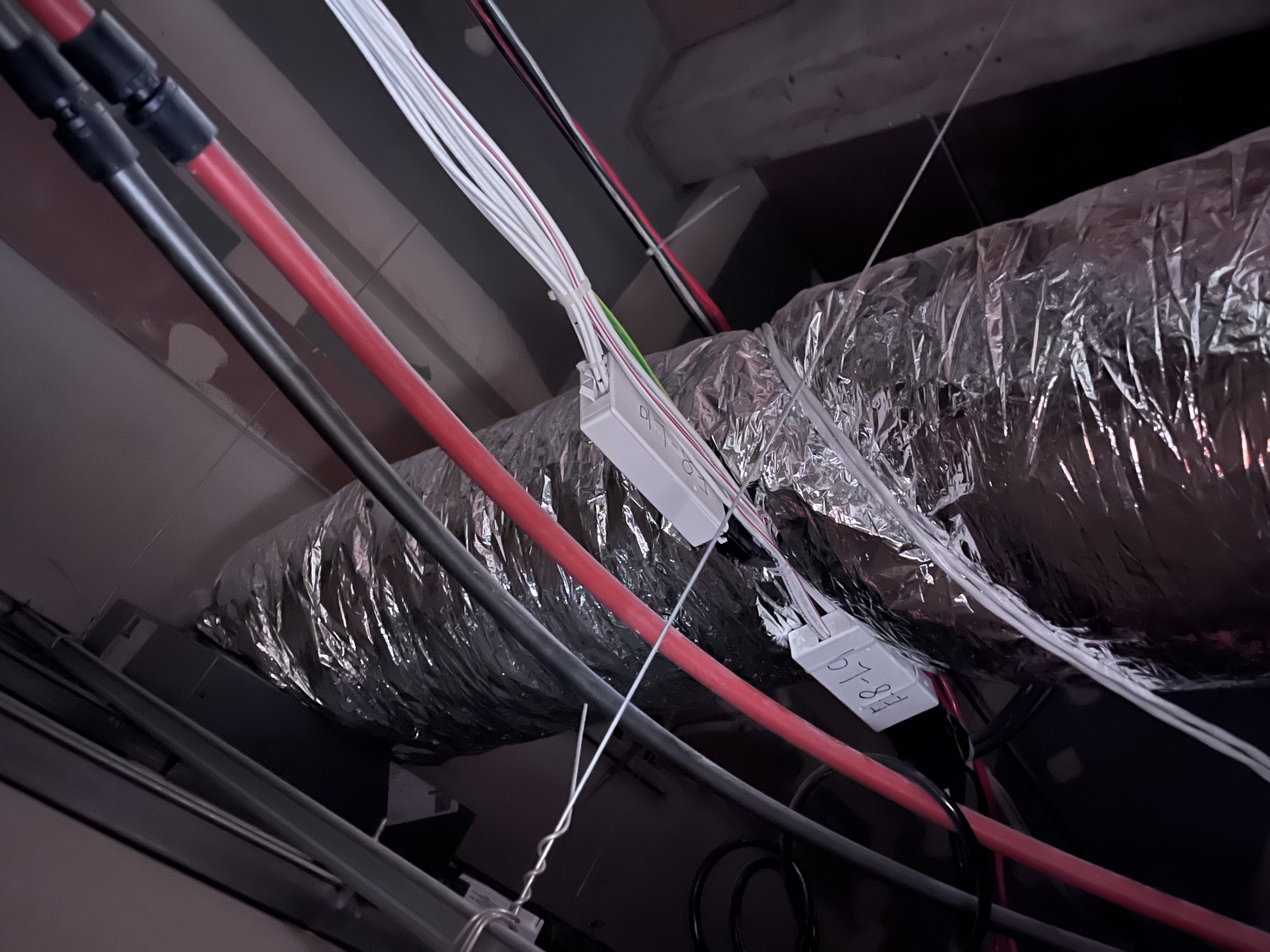
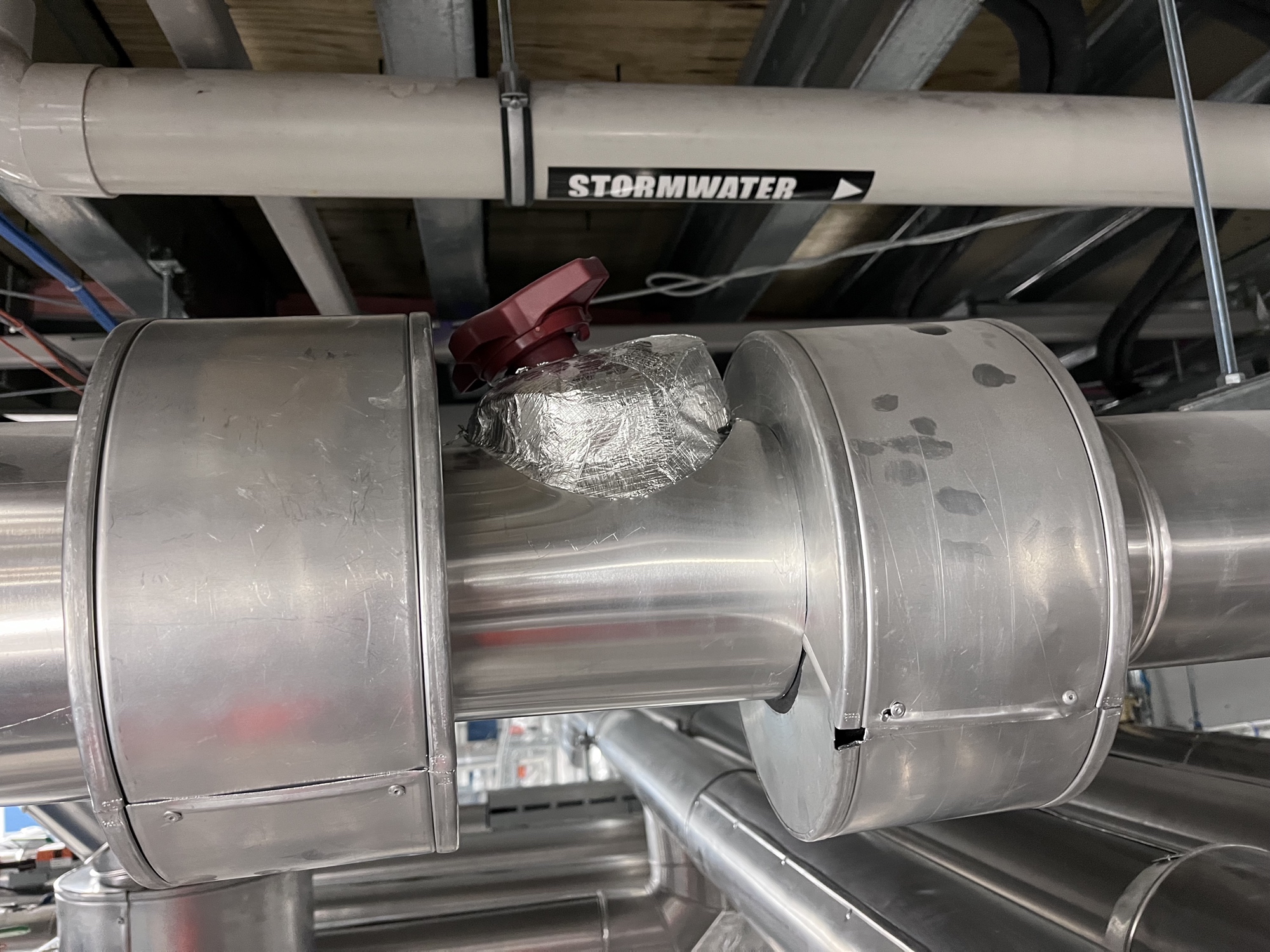
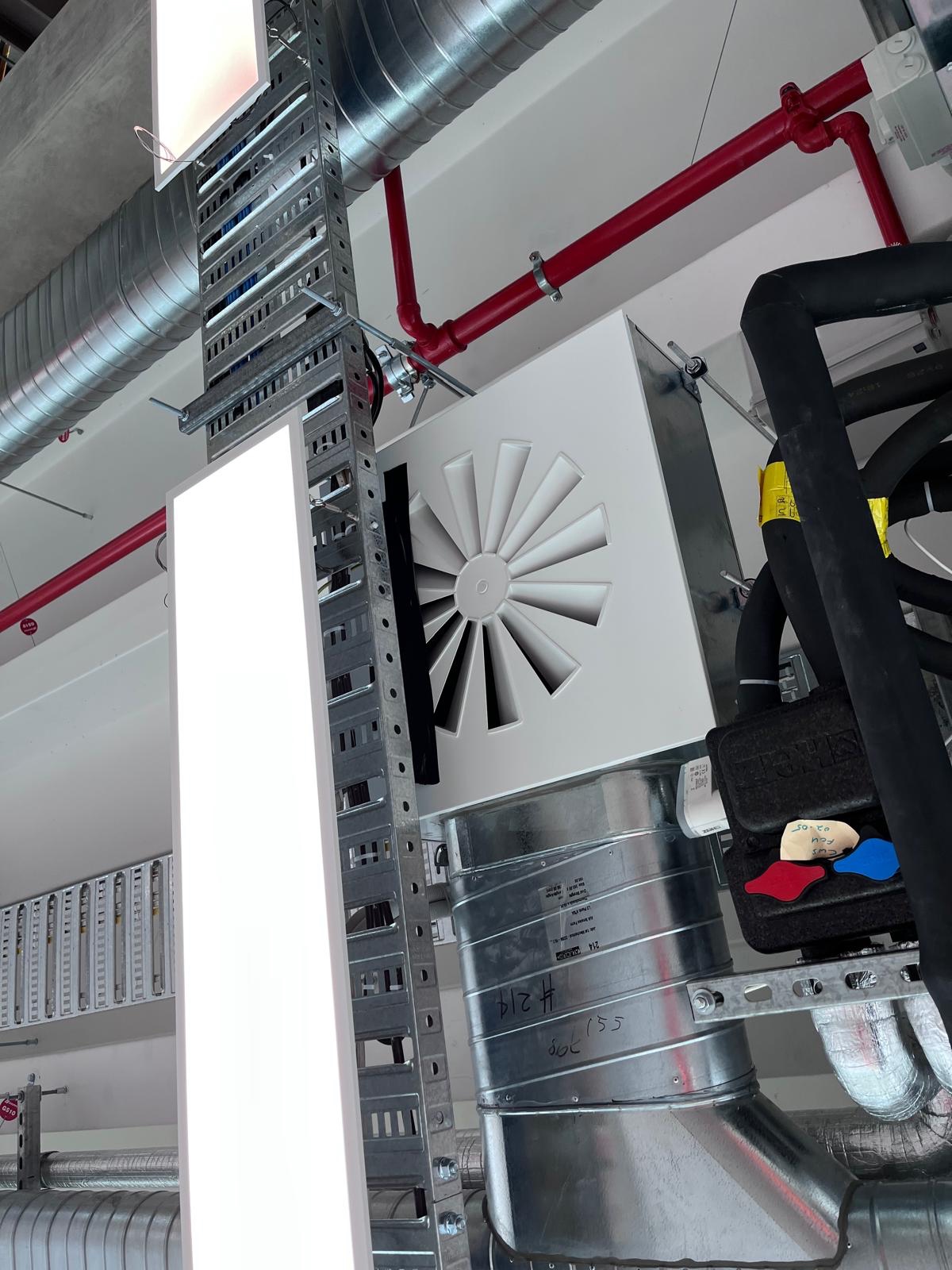
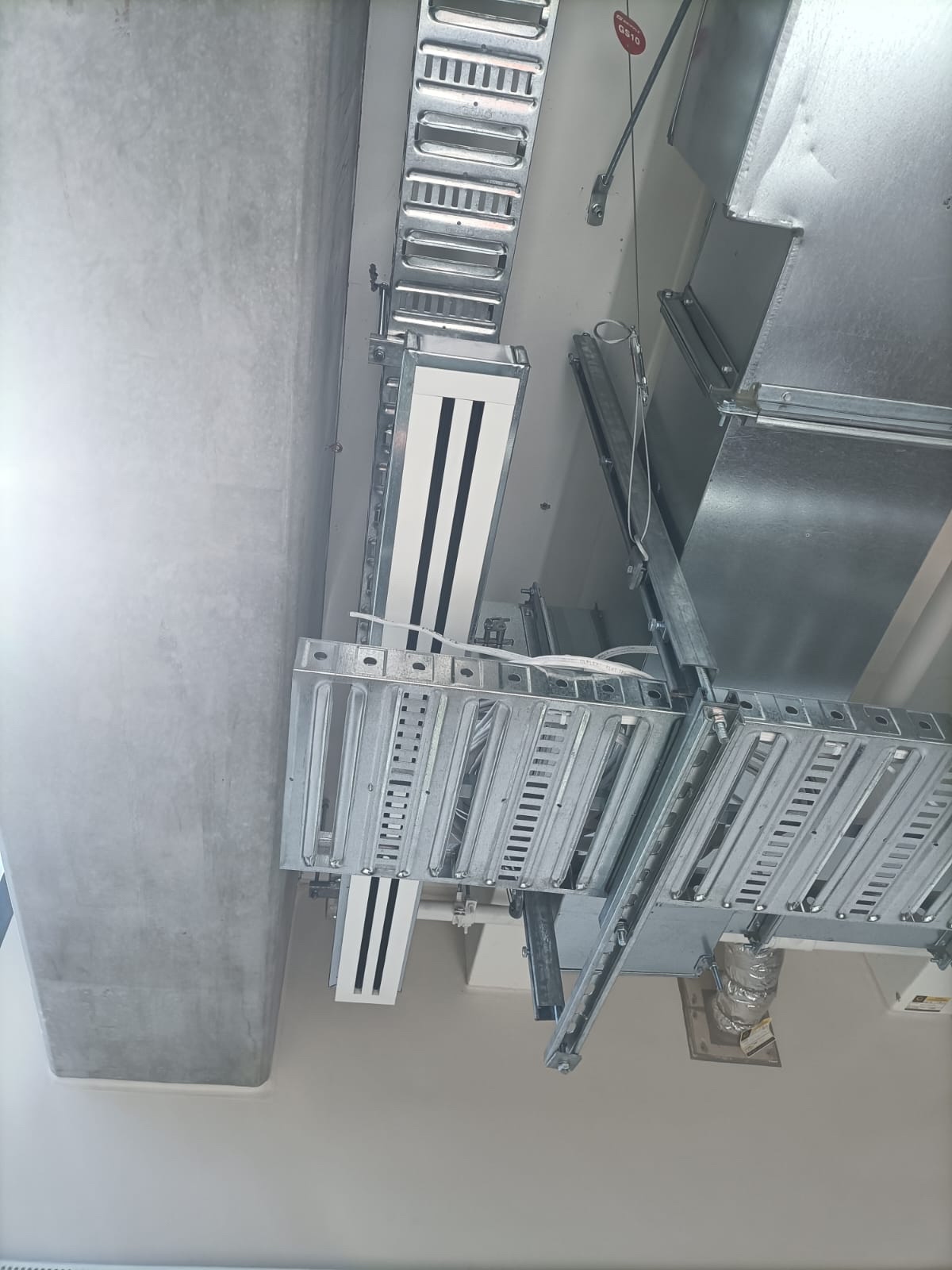
Even a low-profile plenum box does not always work where anticipated. These kinds of clashes need to be assessed during the design phase.
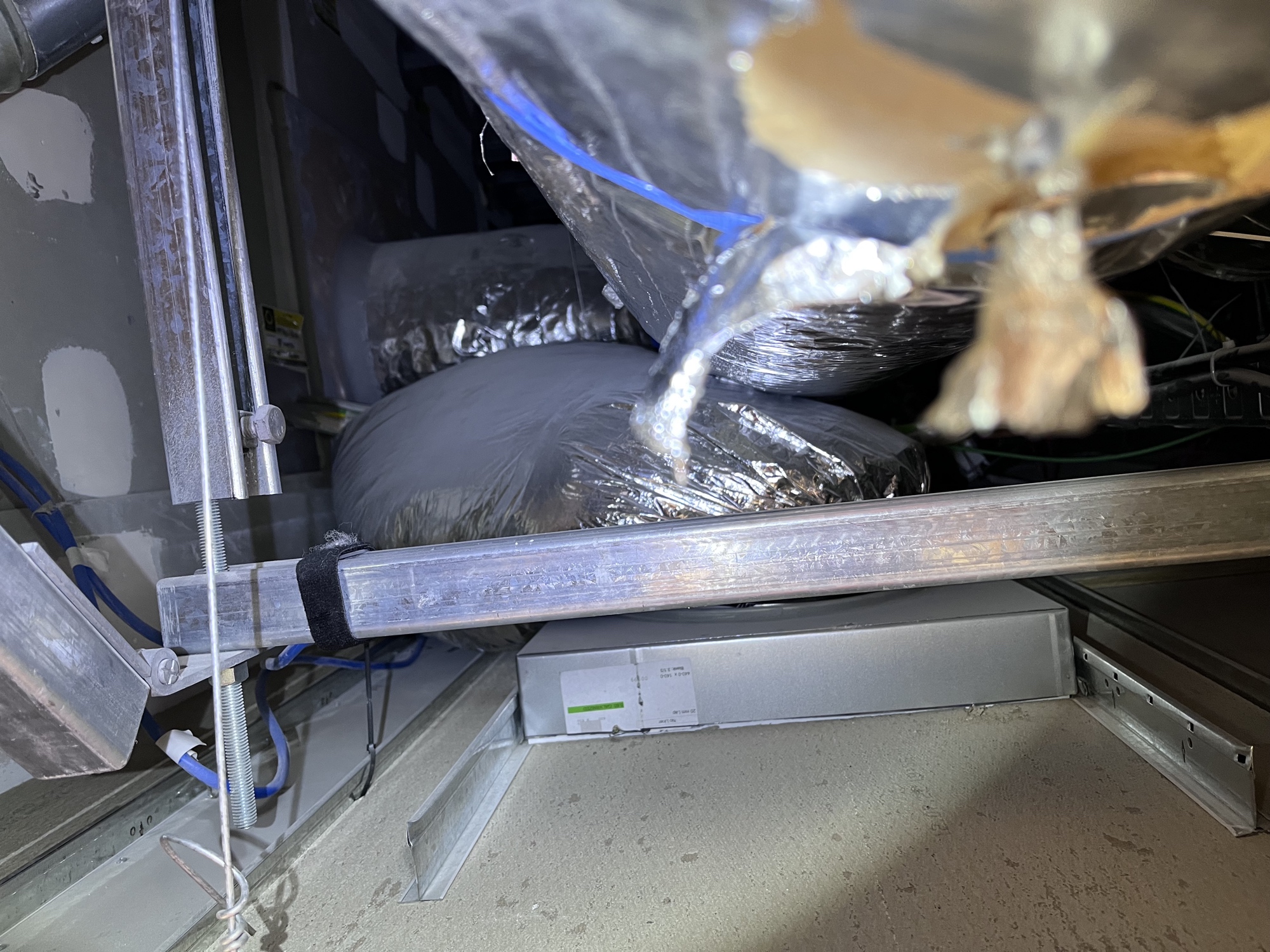
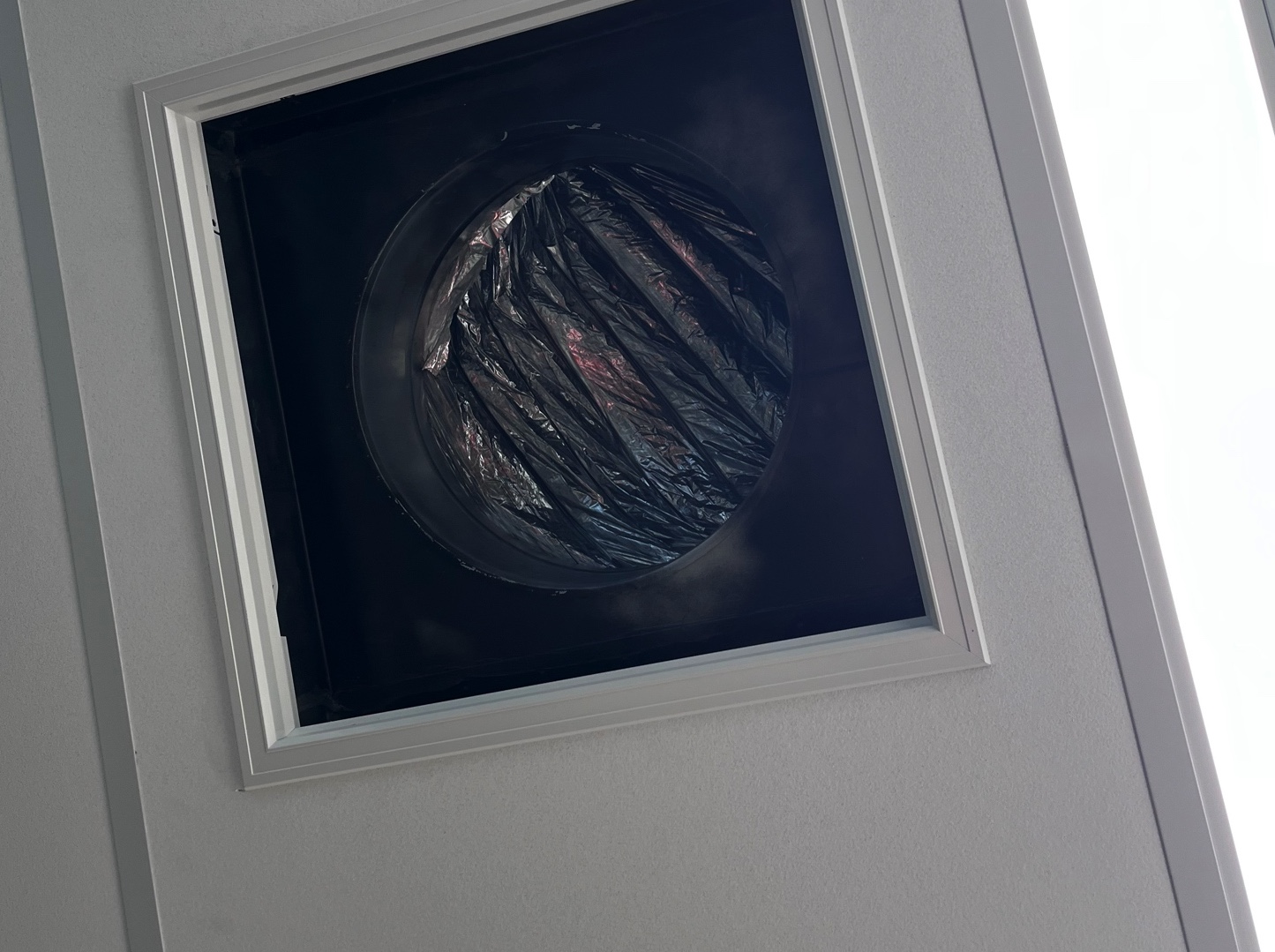
A common issue: primary air leaks into the ceiling space and returns to the AHU. This may appear to be minor leakage, but it can drive the air handling unit to maximum speed unnecessarily — consuming significantly more energy as a result. These kinds of installations must be caught during installation QA or, at a minimum, during the pre-commissioning process. Commissioning technicians must always check the index terminal for errors of this kind, to avoid picking a false index and over-regulating the entire system.
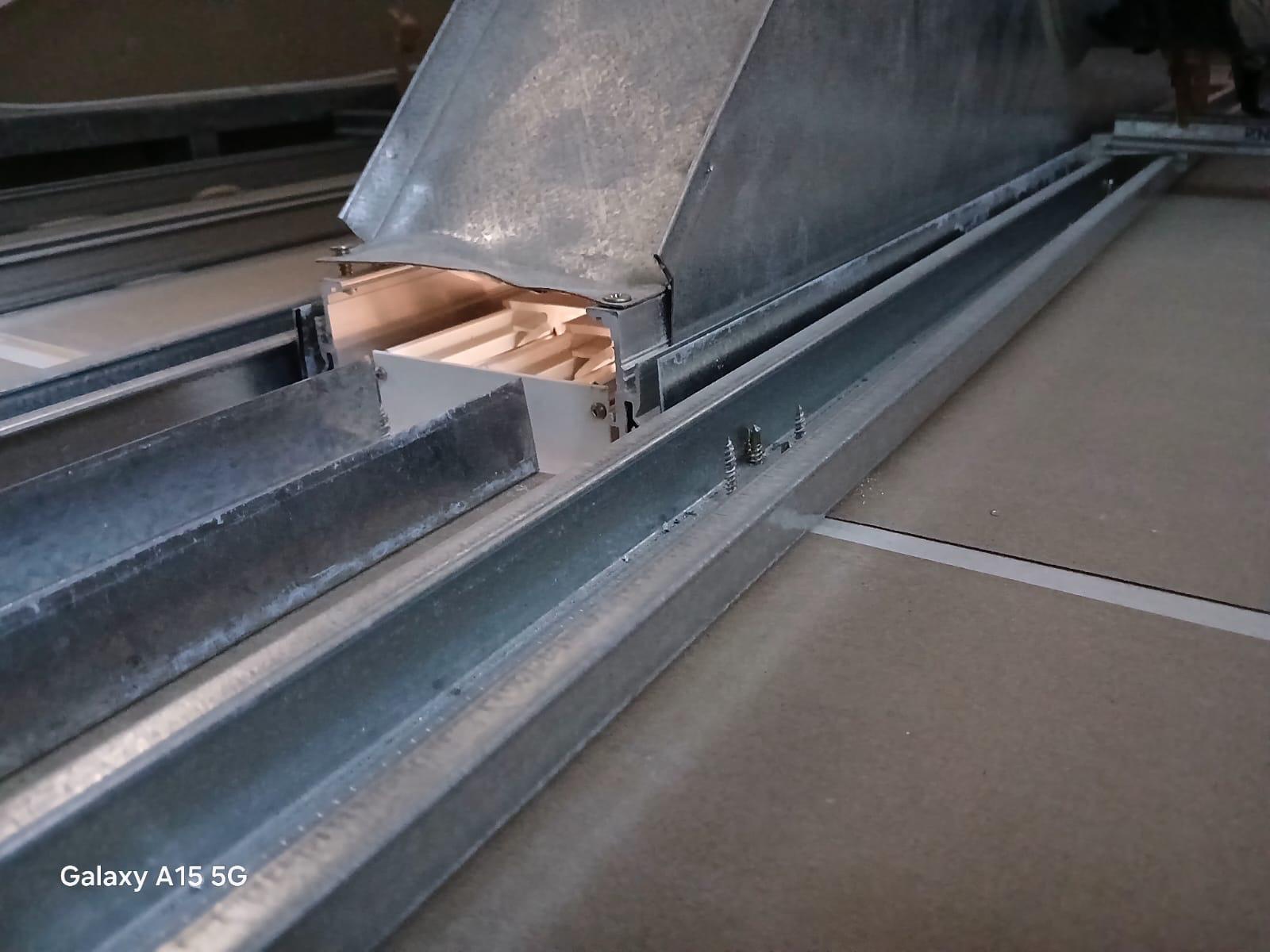
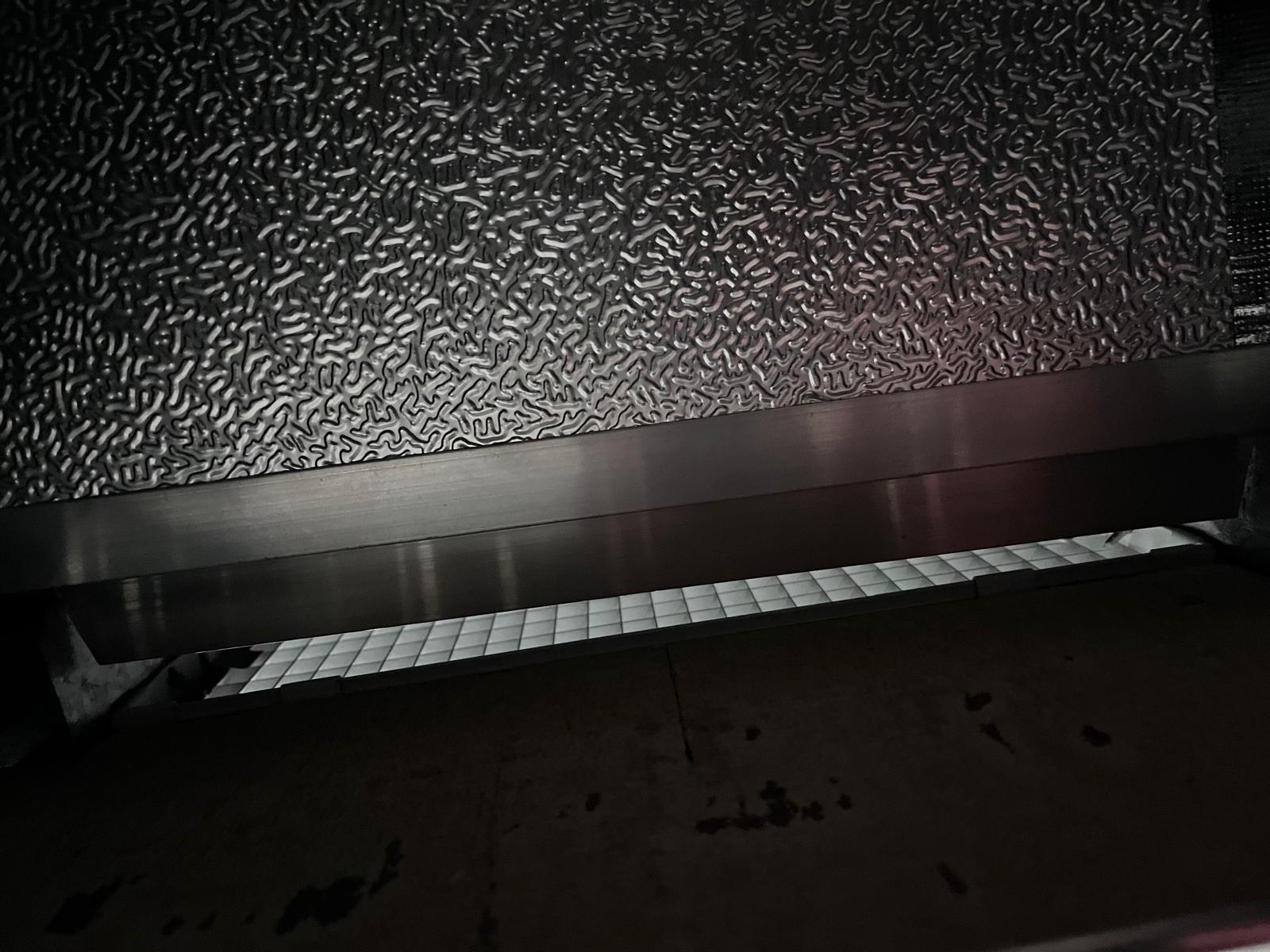
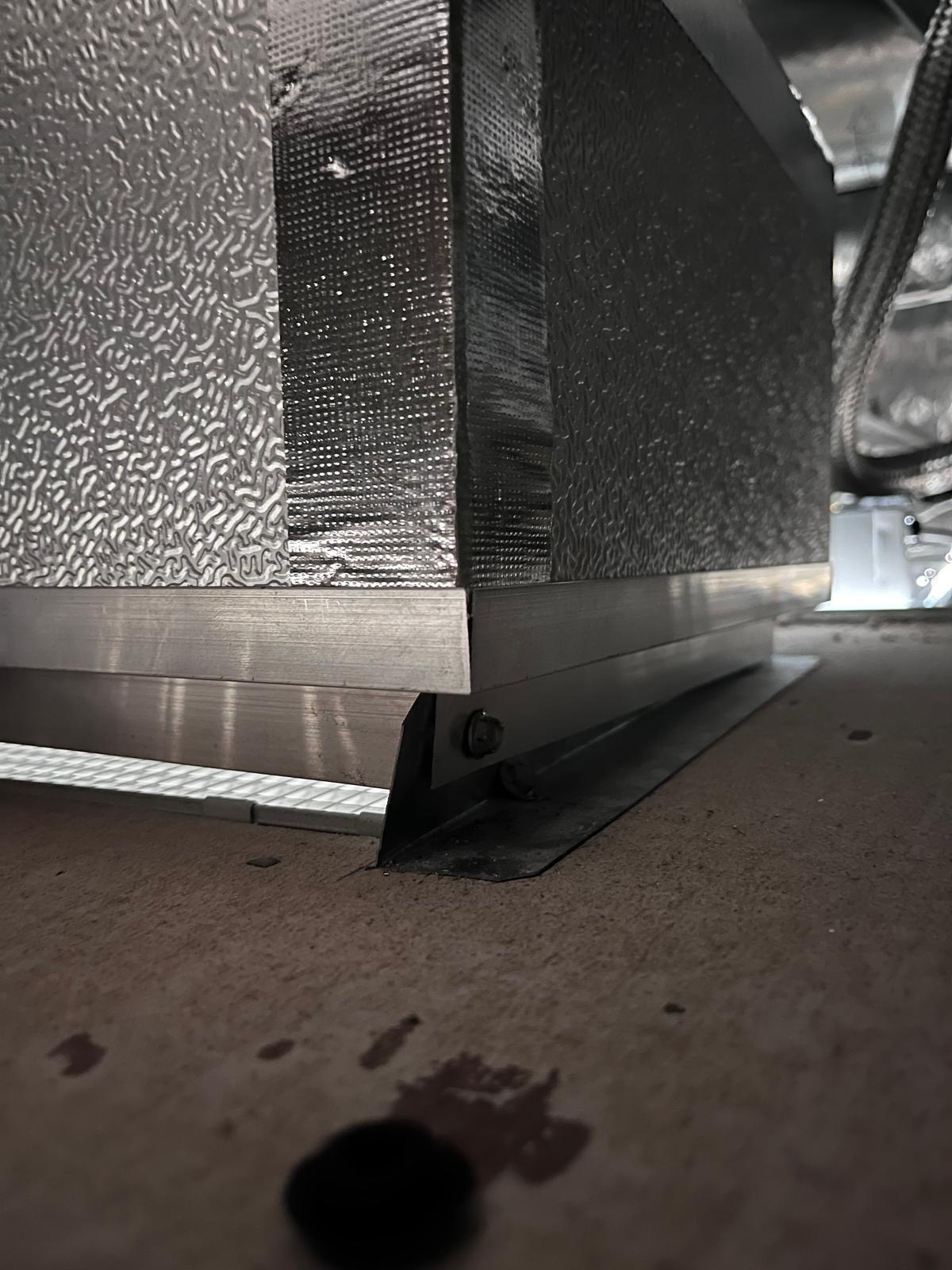
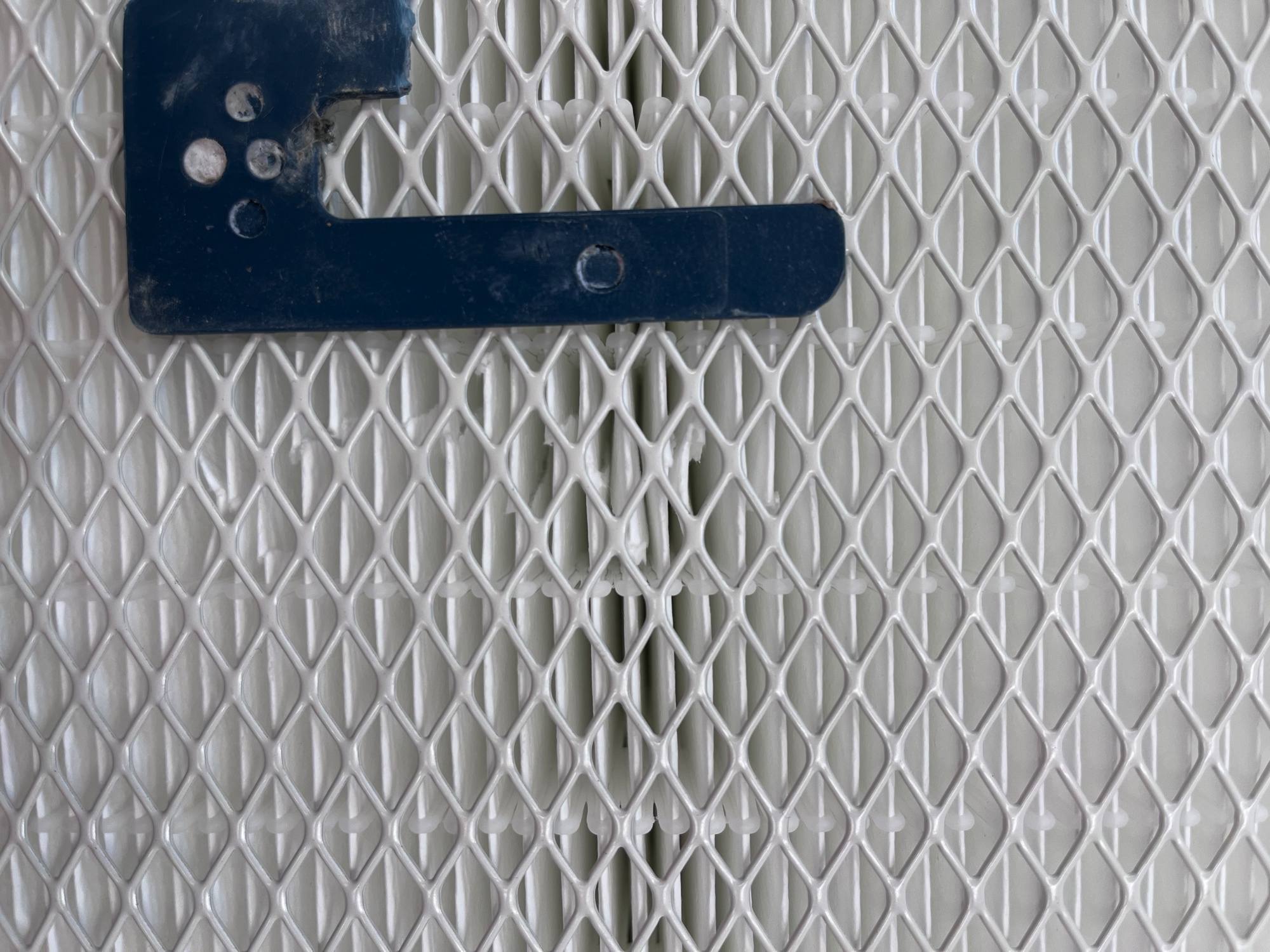
Special care needs to be taken when handling HEPA filters.
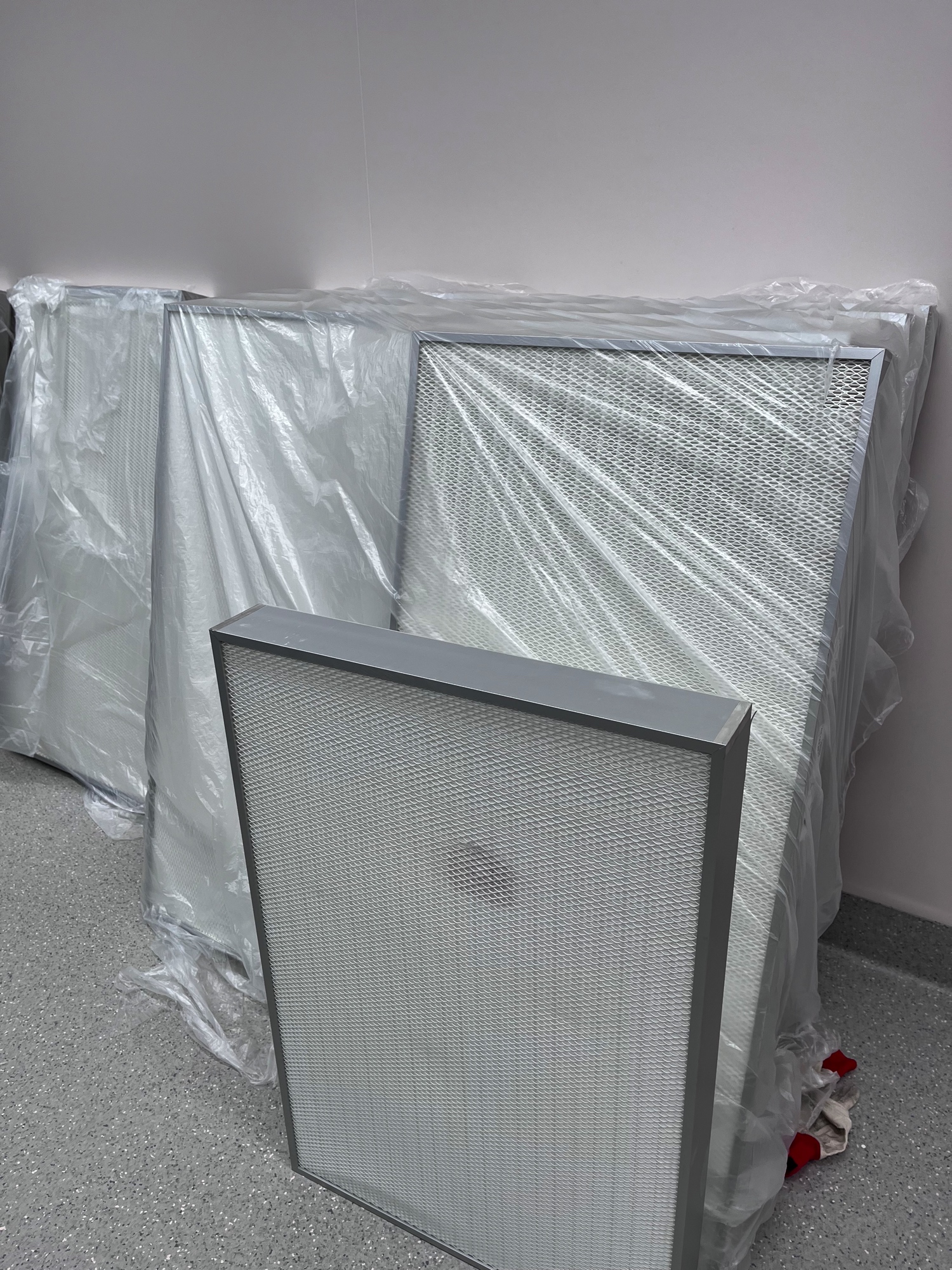
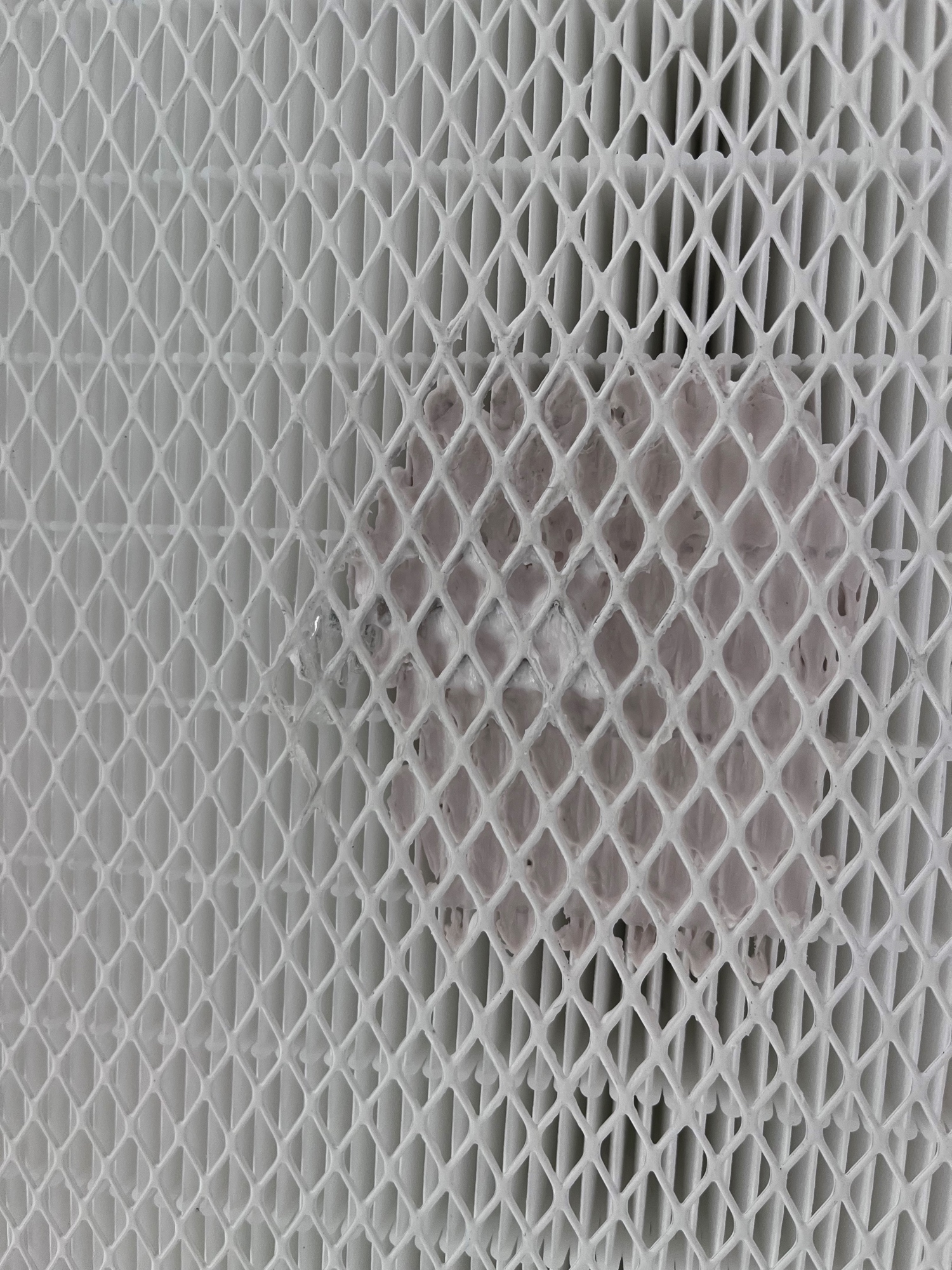
Some defects can be manufacturing errors — every HEPA filter needs to be inspected prior to installation.
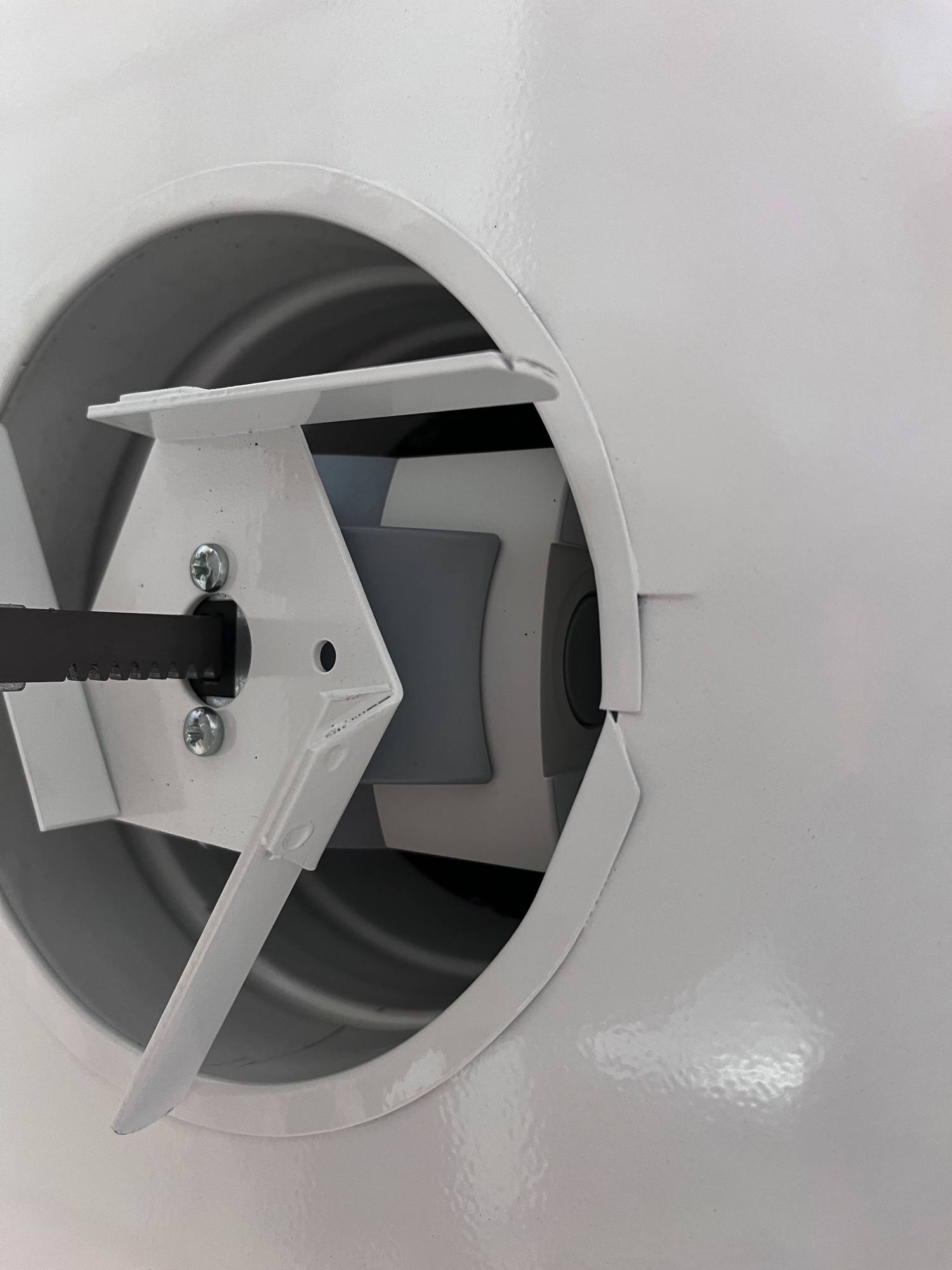
After installation of VAV diffusers, every single one must be checked to ensure the blade is horizontal and the actuator bracket is properly seated in its holding groove.
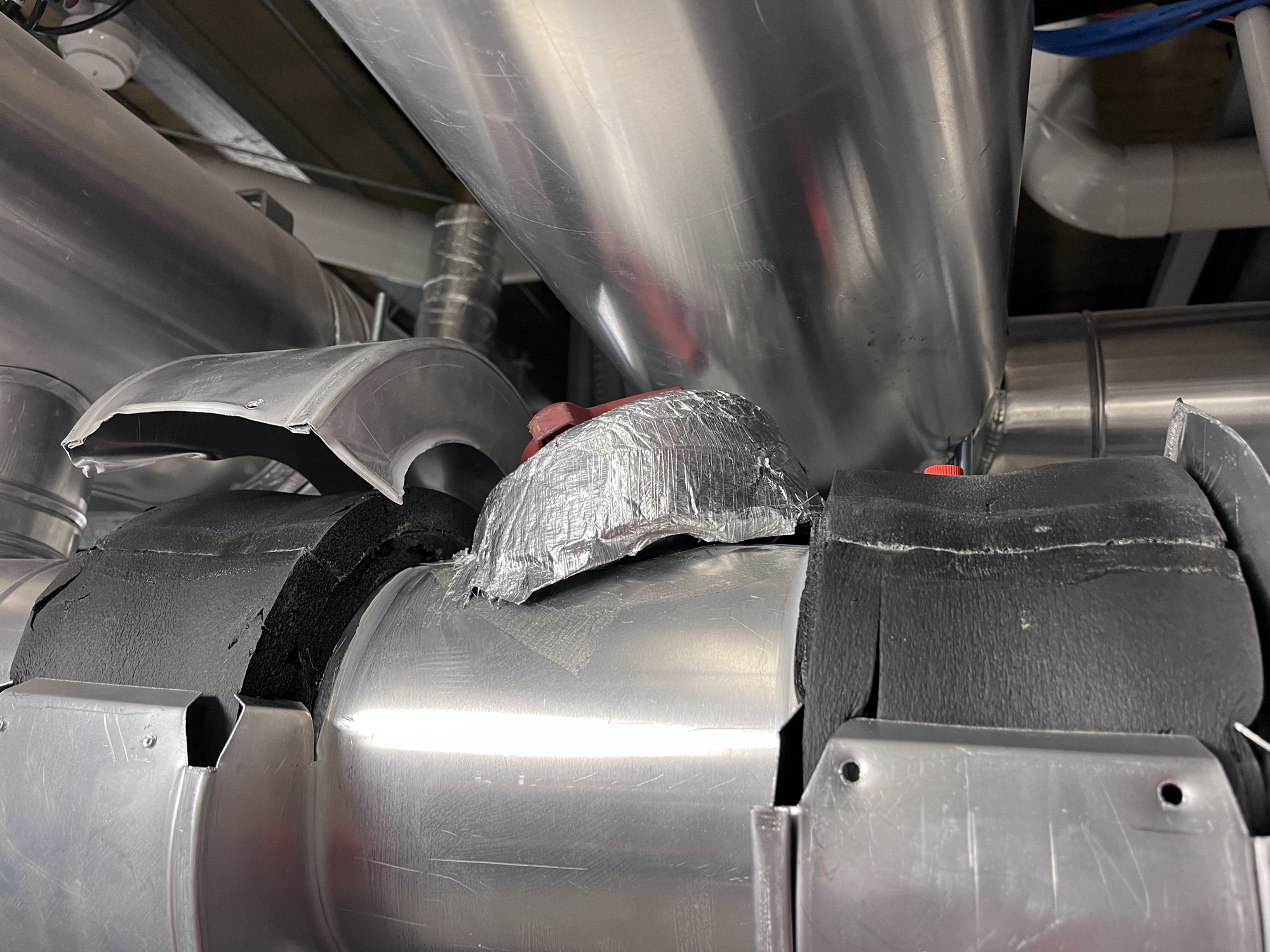
Balancing valves, strainers, and pump pressure test points must be insulated in a way that does not prevent insertion of test probes. These components are to be tested without removal of any cladding.
Control valves shipped with factory settings are rarely configured correctly for the installed system. Even when labelled and set prior to shipment, some valves end up installed at the wrong unit. Failing to pre-set dial settings before commissioning means flow balancing will be inaccurate and system performance will be compromised from day one.
Introducing building debris, flux residues, and pipe scale into sensitive equipment — chillers, heat exchangers, fan coil units — causes premature wear, blockages, and warranty voidance. Flushing must be completed and verified before any equipment is brought into service.
Flushing displaces debris that collects in pump and equipment strainers. Failing to clean strainers reduces the required circulation flow velocity, resulting in insufficient pipe surface cleaning, and can additionally cause pump cavitation and equipment damage.
Trapped air prevents adequate flushing velocity through all circuits. All high points must be vented and all low points drained to ensure a complete system purge. Pocketed air becomes a persistent operational problem. It is strongly advised that all high and low points of the pipework are checked prior to and during installation, in case there is any diversion from the design plan.
Attempting airflow balancing in duct systems with un-commissioned duct leakage is futile. Leakage paths alter the system characteristic, making accurate balance impossible and consuming valuable time.
Duct leakage testing is best completed after all take-offs and connections are installed and blanked off.
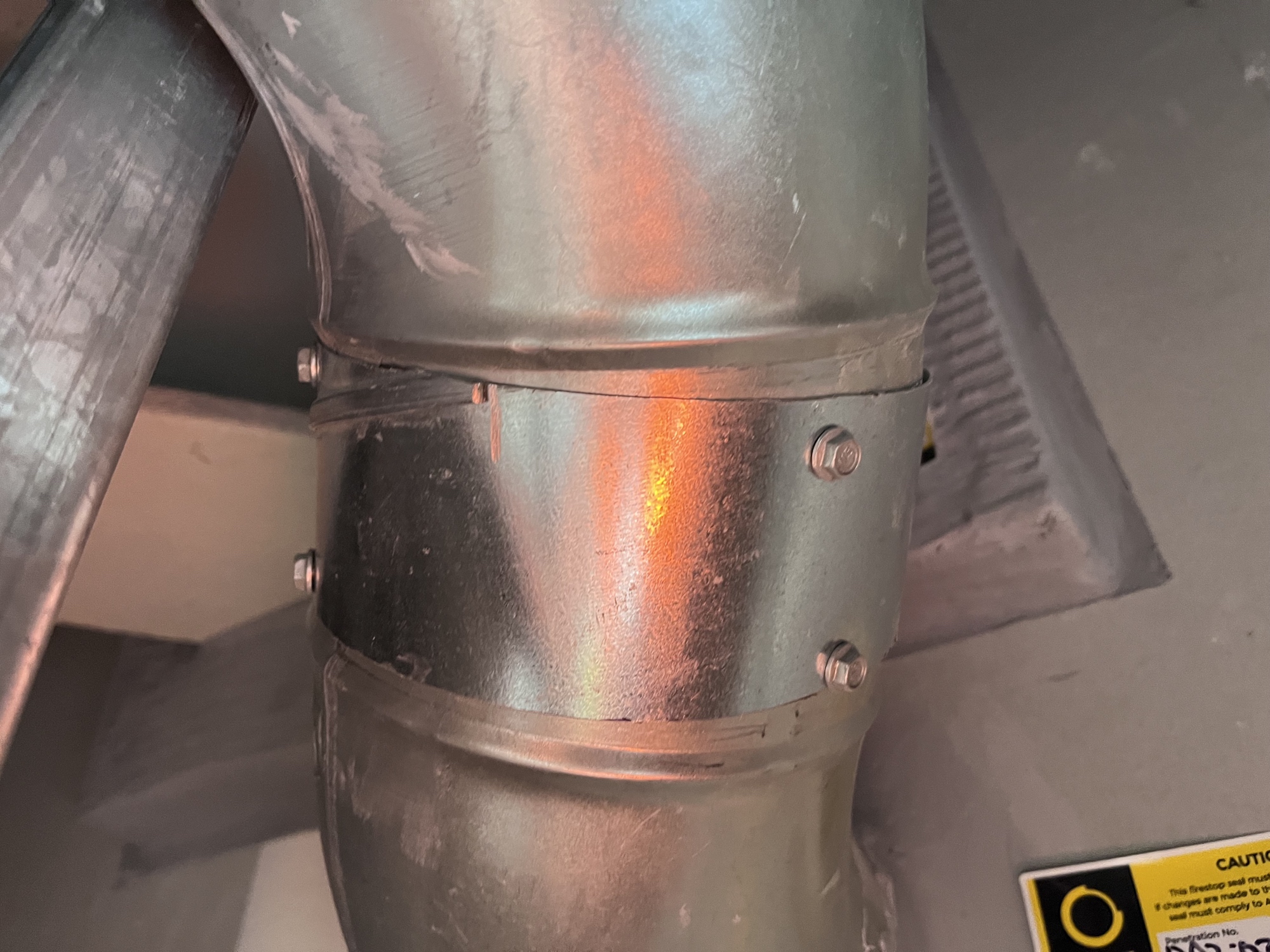
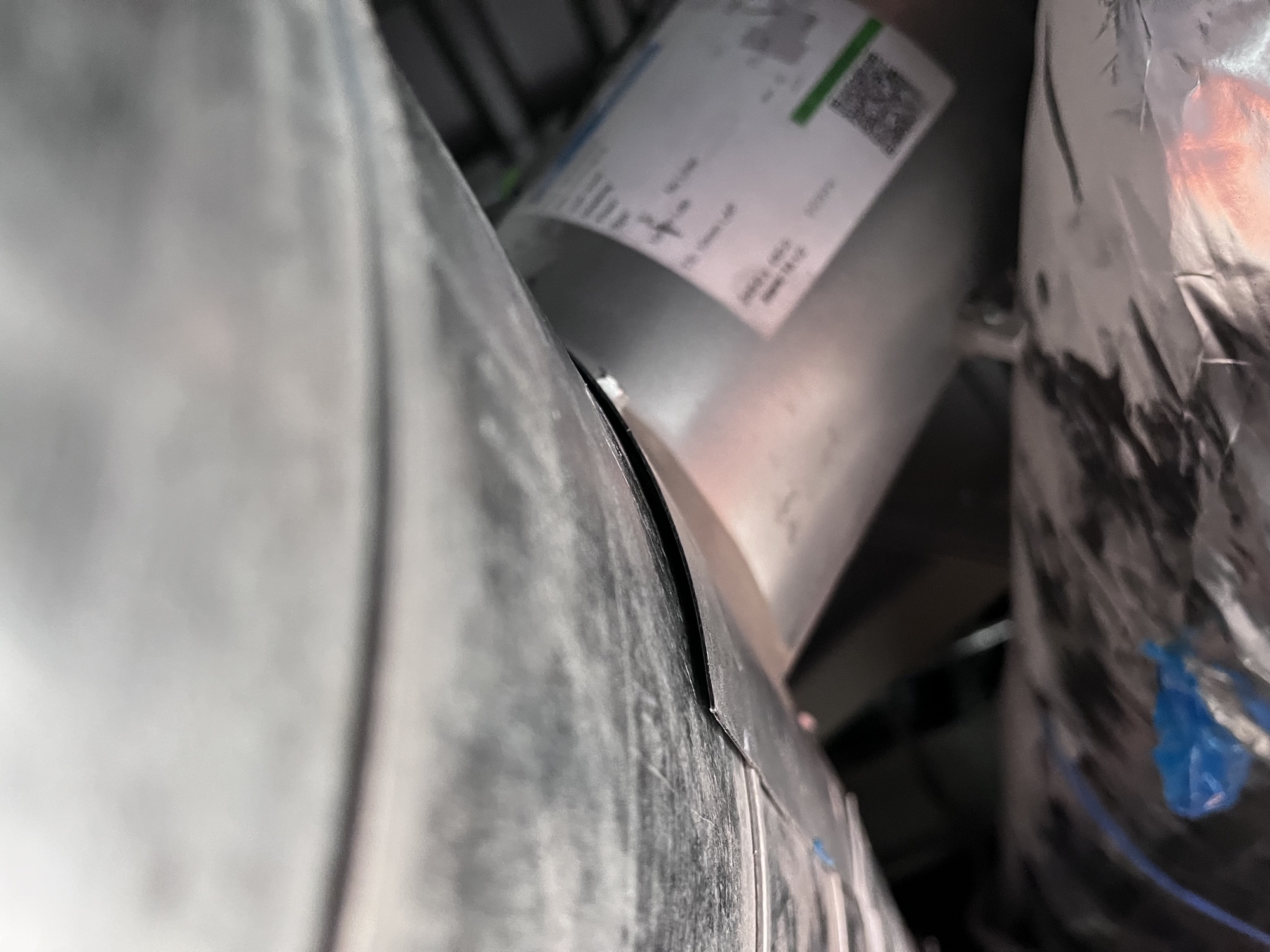
Right size flexible duct — in the right length. Oversized or excessively long flexible duct creates unnecessary resistance and degrades system performance.
BMS readings should always be verified against independently calibrated instruments. Sensors can be incorrectly located, wrongly configured, or simply set up in error. Commissioning based on unchecked BMS data risks incorrect operation and unnecessarily elevated energy consumption.
Clash detection and site coordination — unresolved clashes discovered during installation or commissioning are expensive and disruptive. They need to be identified and resolved before installation, not during it.
A building handed over without adequate maintenance team training depreciates rapidly. The commissioning investment is wasted if the people operating and maintaining the building do not understand the design intent, seasonal changeover procedures, or fault-finding approaches.
Temperature, humidity, and pressure sensors installed without adequate access for checking and recalibration are a long-term compliance liability. They will drift, and when they do, the only option is invasive rectification work.
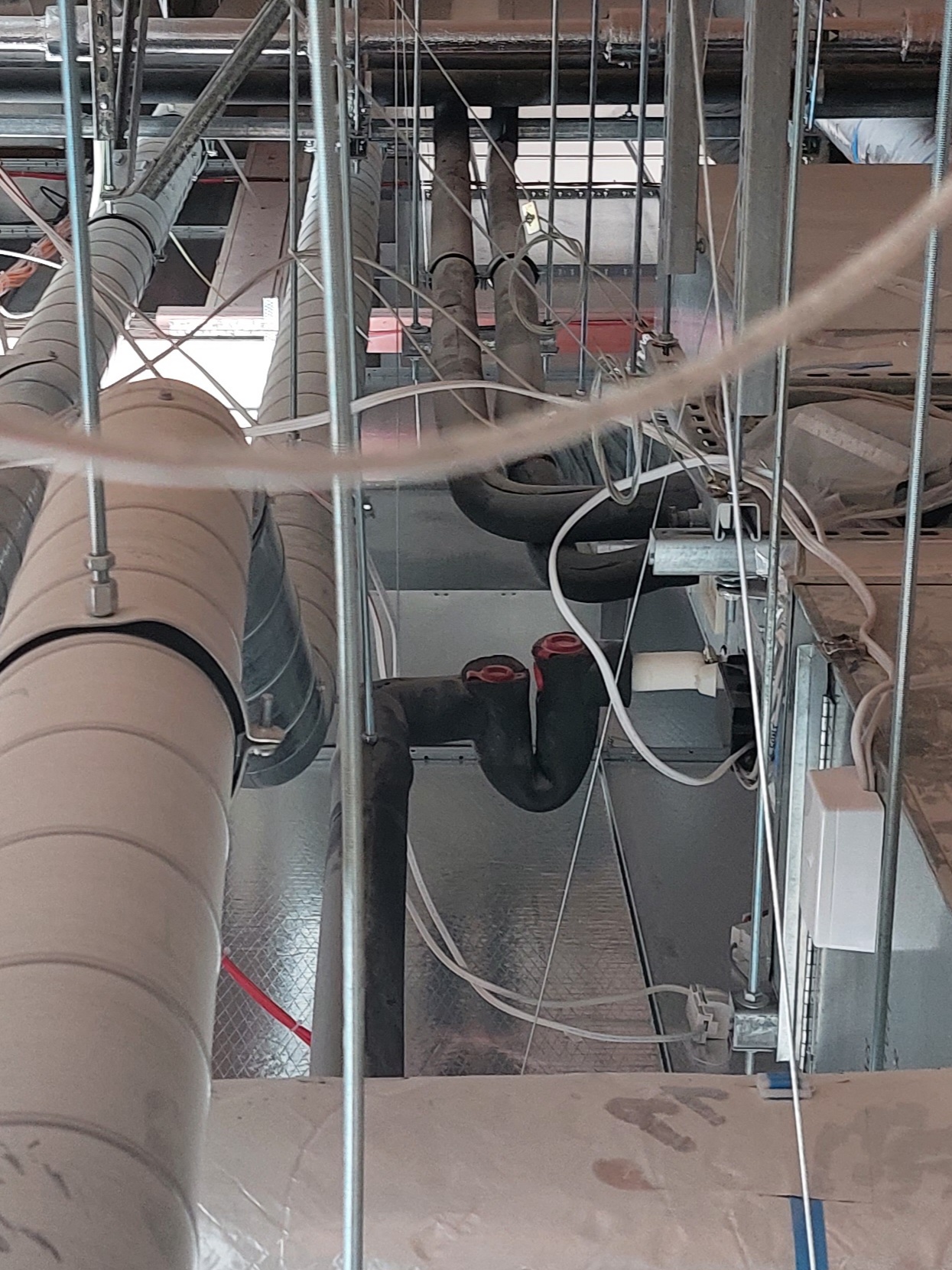
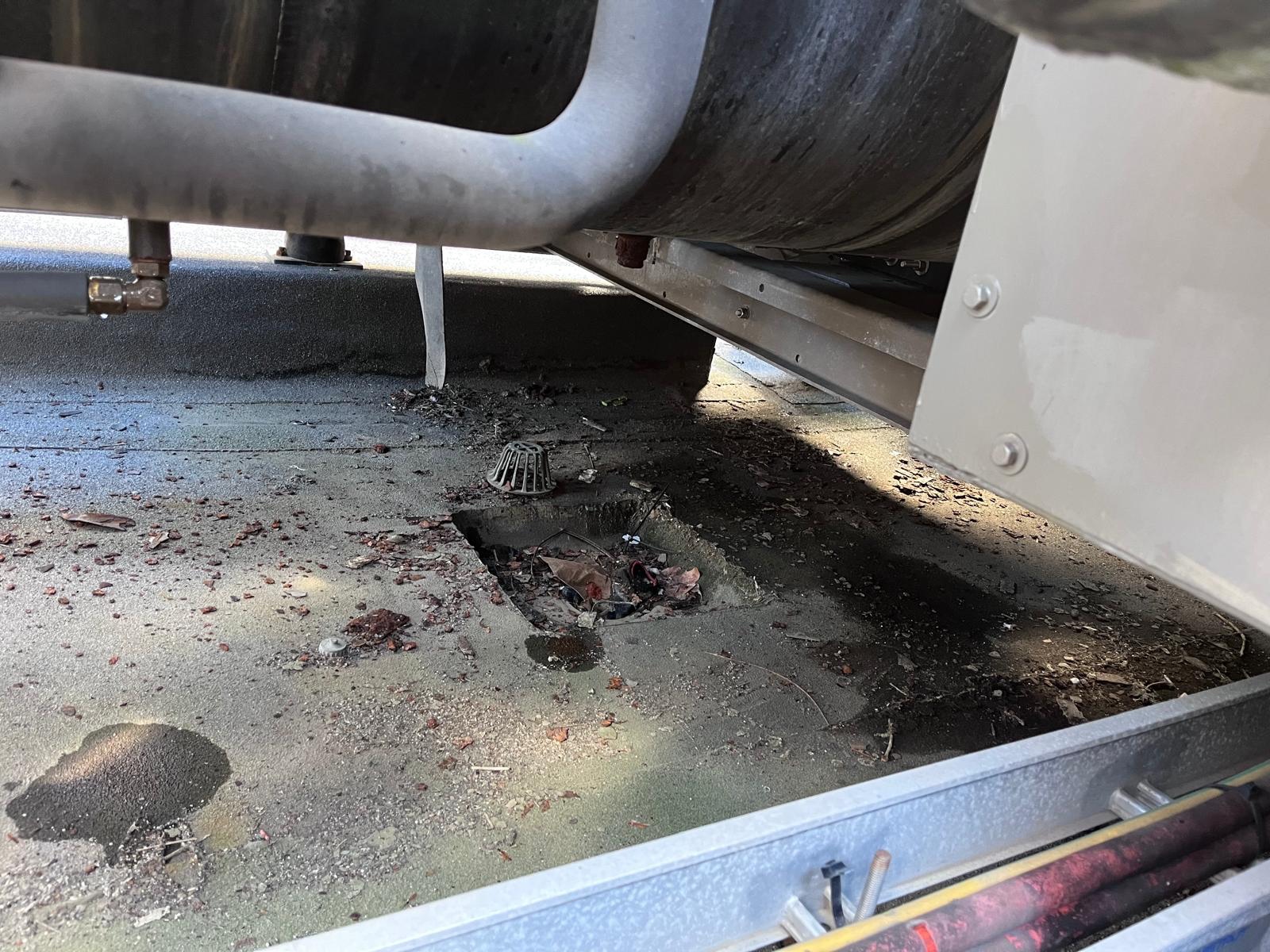
Can you spot what is missing? We ensure that air vents are installed on the correct side of the P-trap.
Self-certification of commissioning by the installing contractor creates a direct conflict of interest. Independent commissioning verification protects building owners, design engineers, and project managers from undiscovered deficiencies that surface under warranty.
One reason for an underperforming fan — issues like this are reliably identified through independent commissioning, not self-certification.
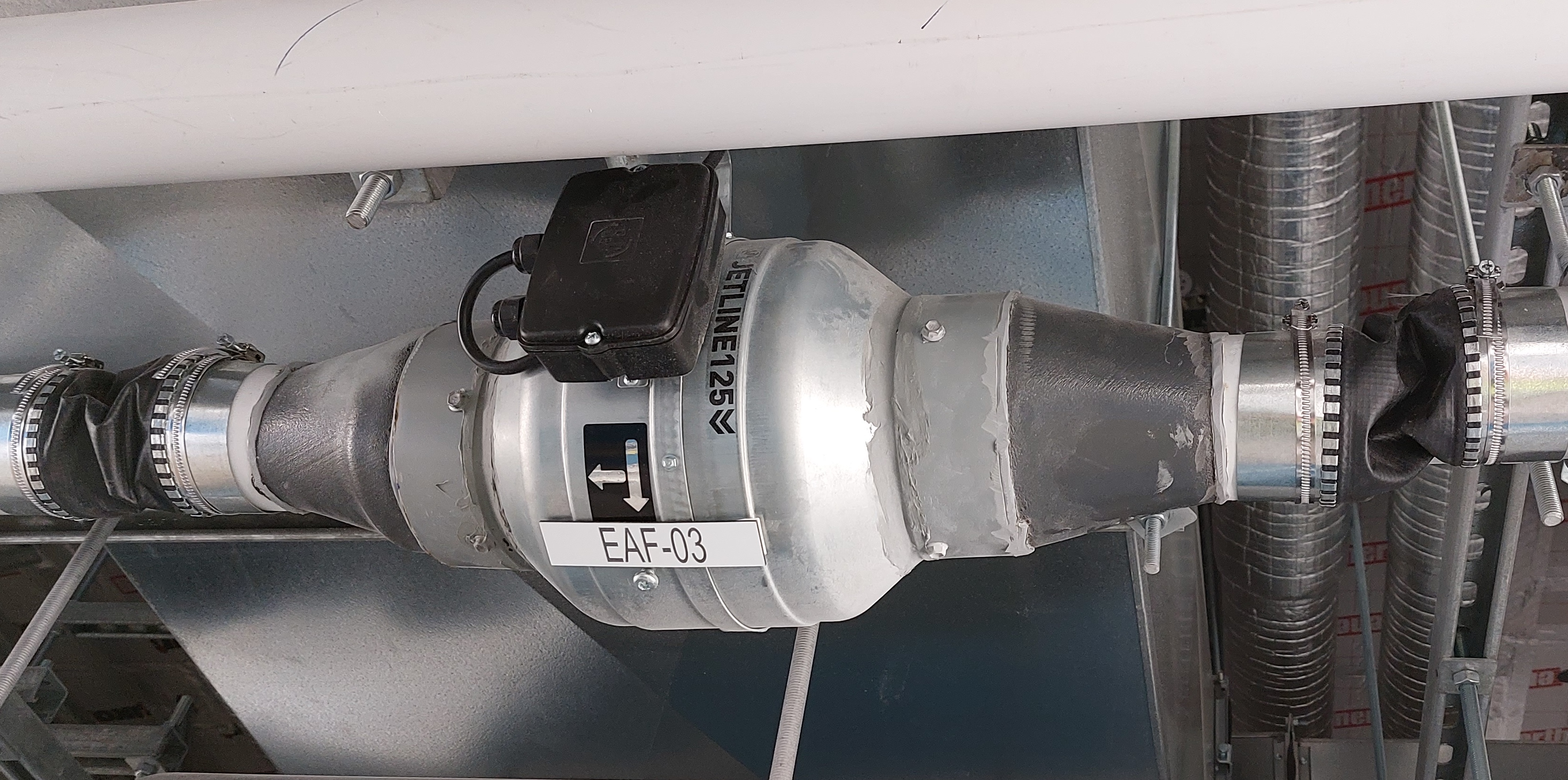
Asset registers and O&M manuals built without nameplate data are incomplete. Maintenance teams inherit assets they cannot properly maintain — or worse, assets they are not even aware exist. Every unit must have its nameplate data recorded and tagged during pre-commissioning.
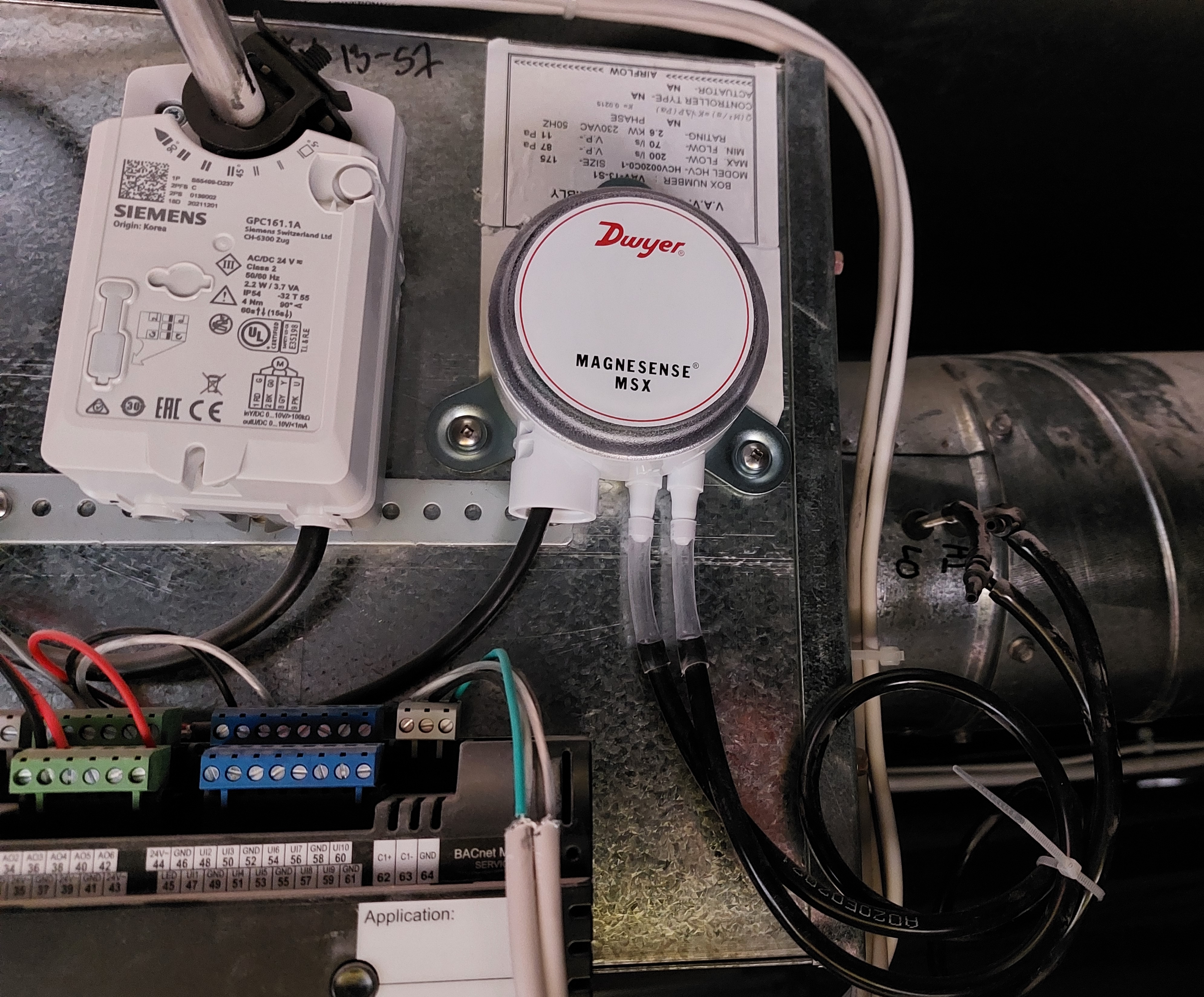
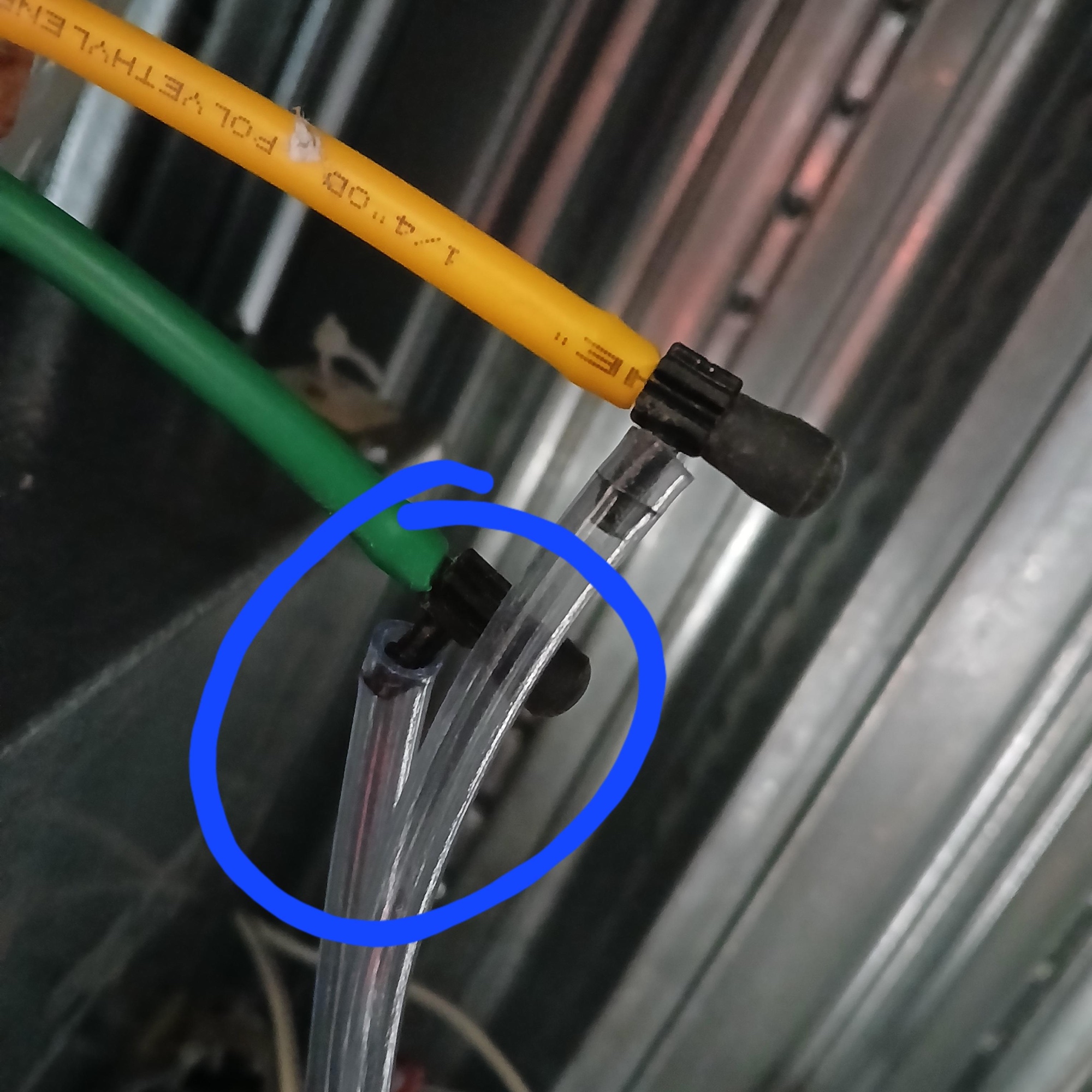
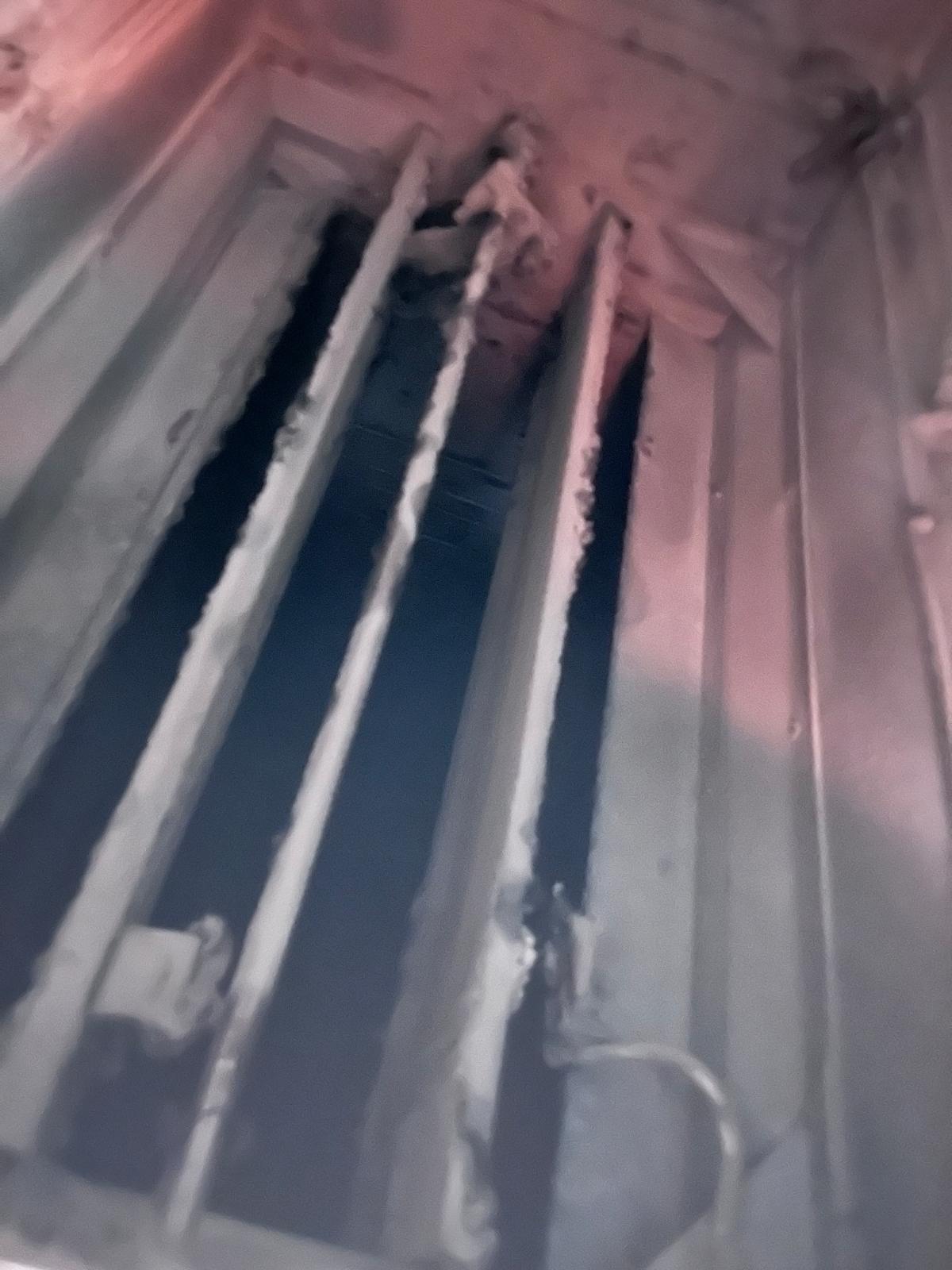
First: a VAV requires two tiny end-caps to operate. Can you spot them? The second one only appeared to be in order — and cost some time to diagnose.
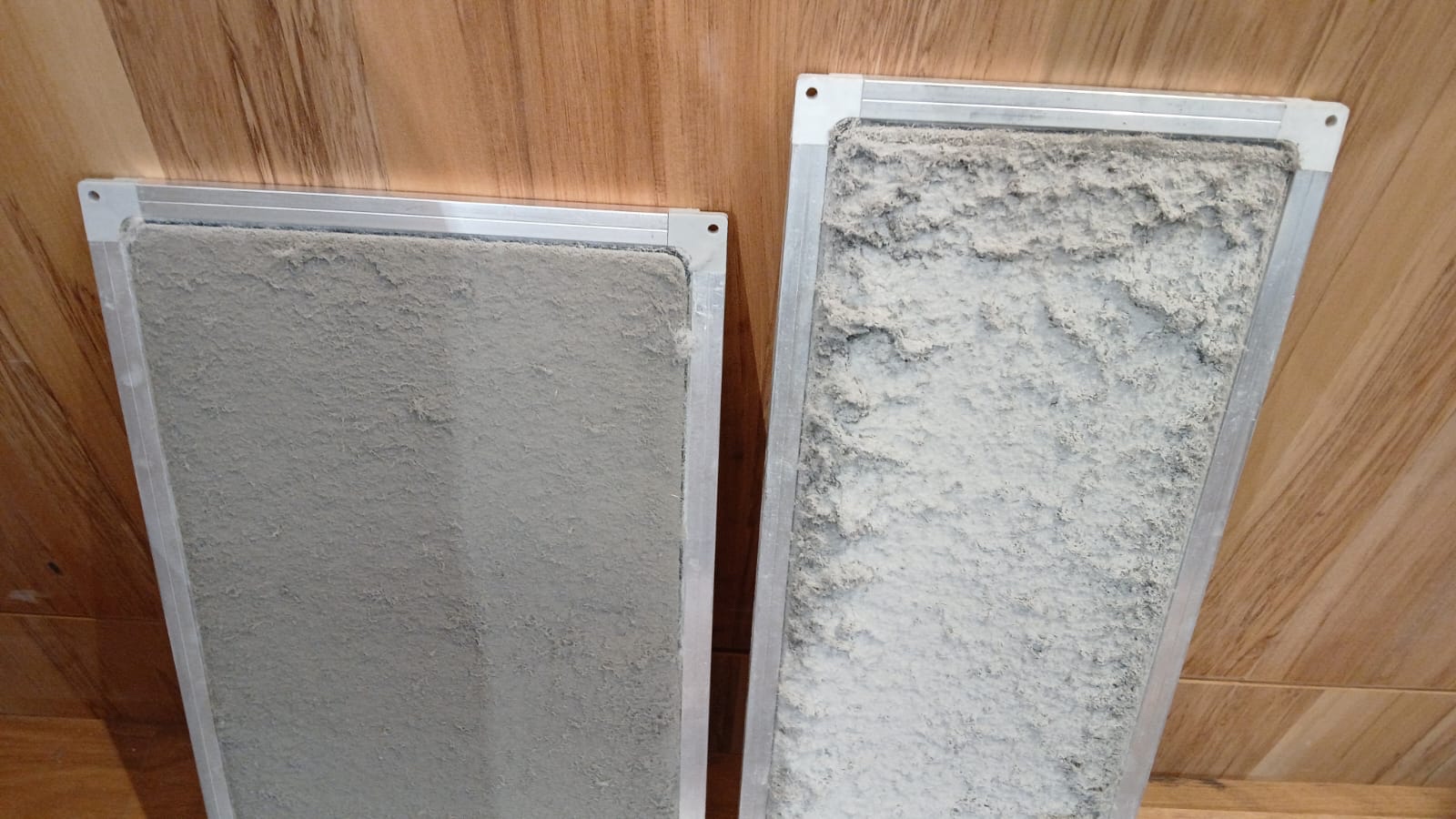
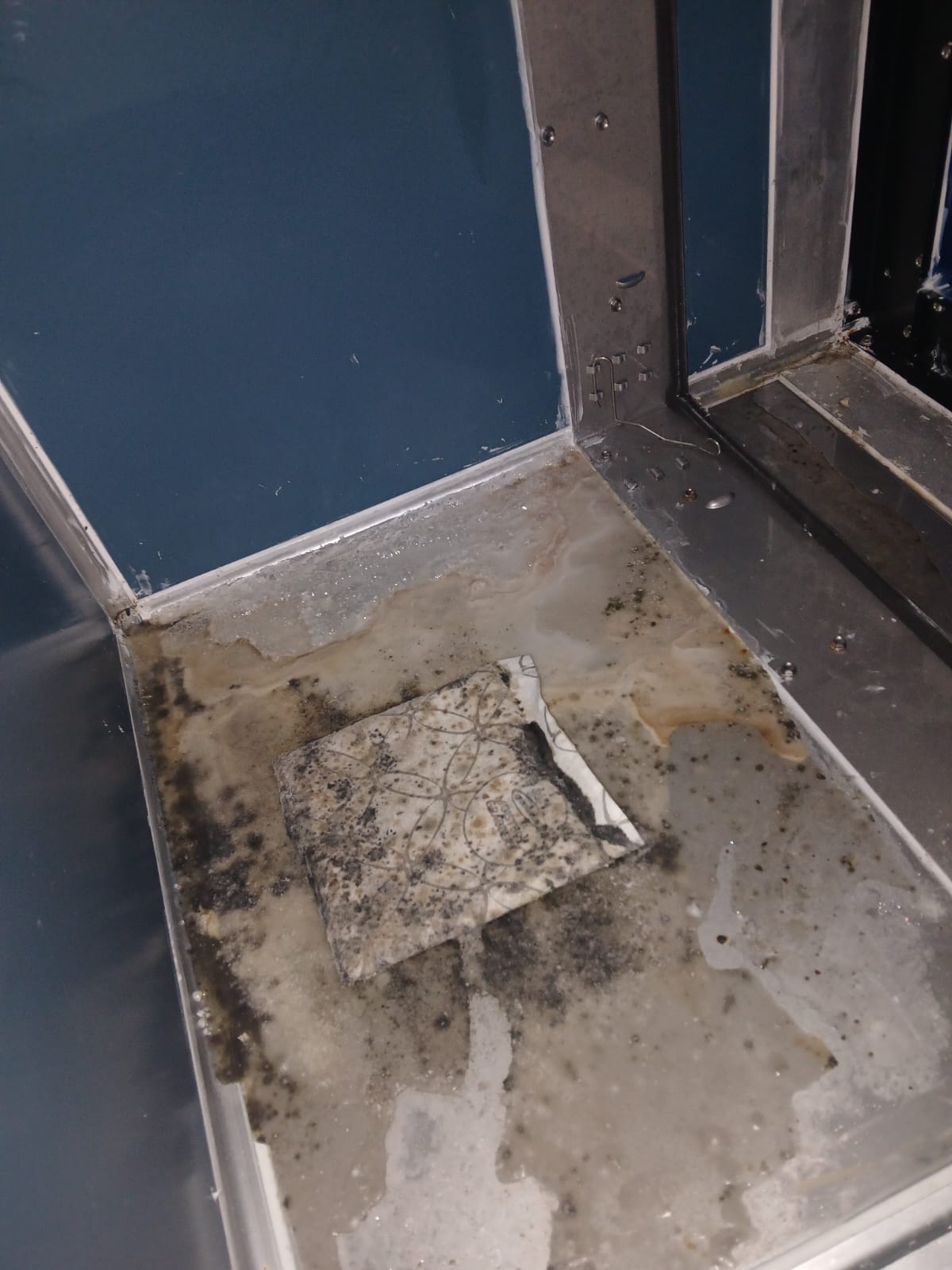
System maintenance — including filter replacement, AHU cleaning, and general area housekeeping — must be completed prior to any retro-commissioning work. These items are to be addressed under routine Planned Preventive Maintenance (PPM). Retro-commissioning a dirty, unmaintained system produces results that cannot be relied upon.
Every new commissioning project should also reference the previous O&M Manual — updating it is not optional; it is the minimum obligation to the building owner.
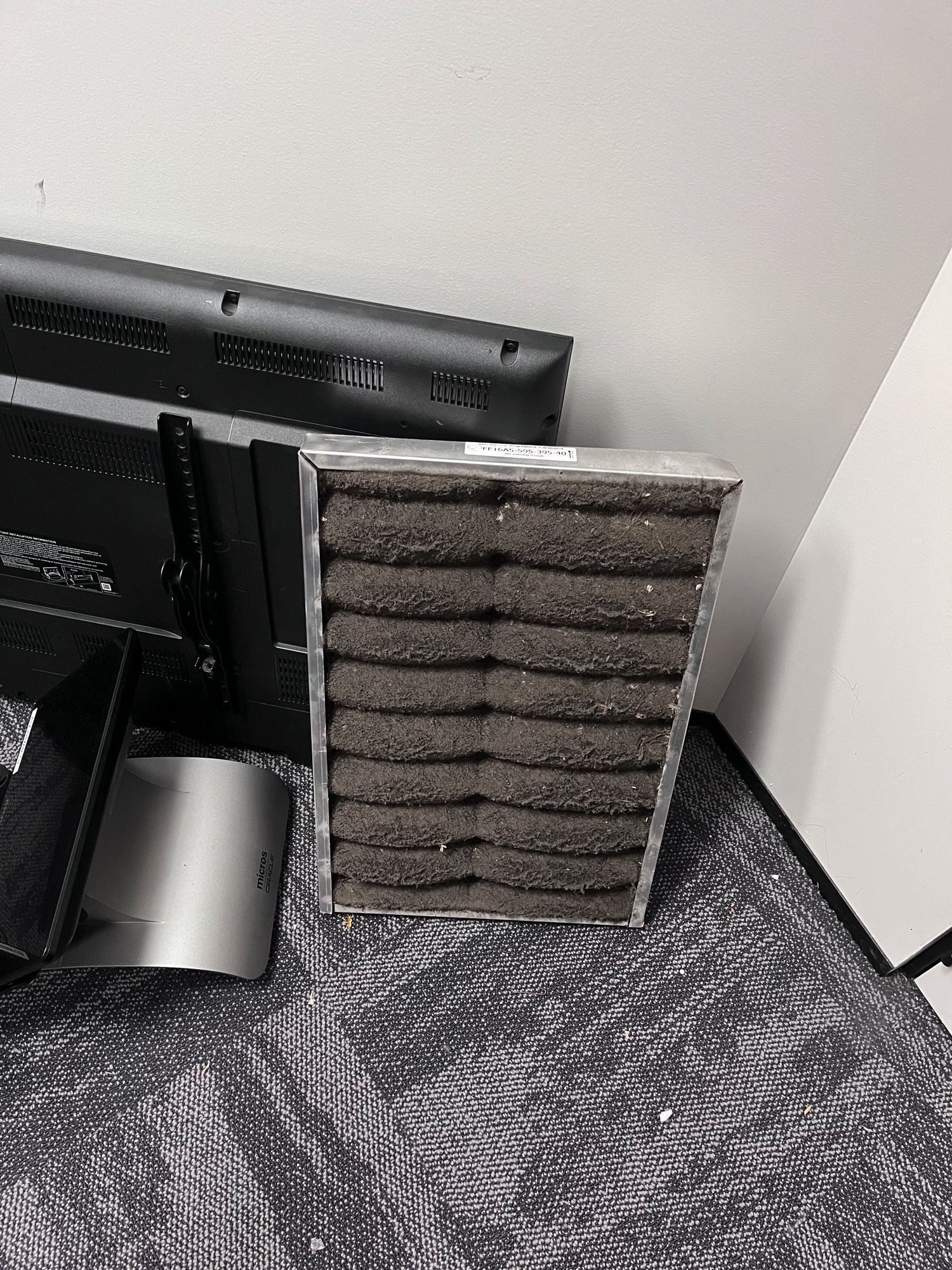
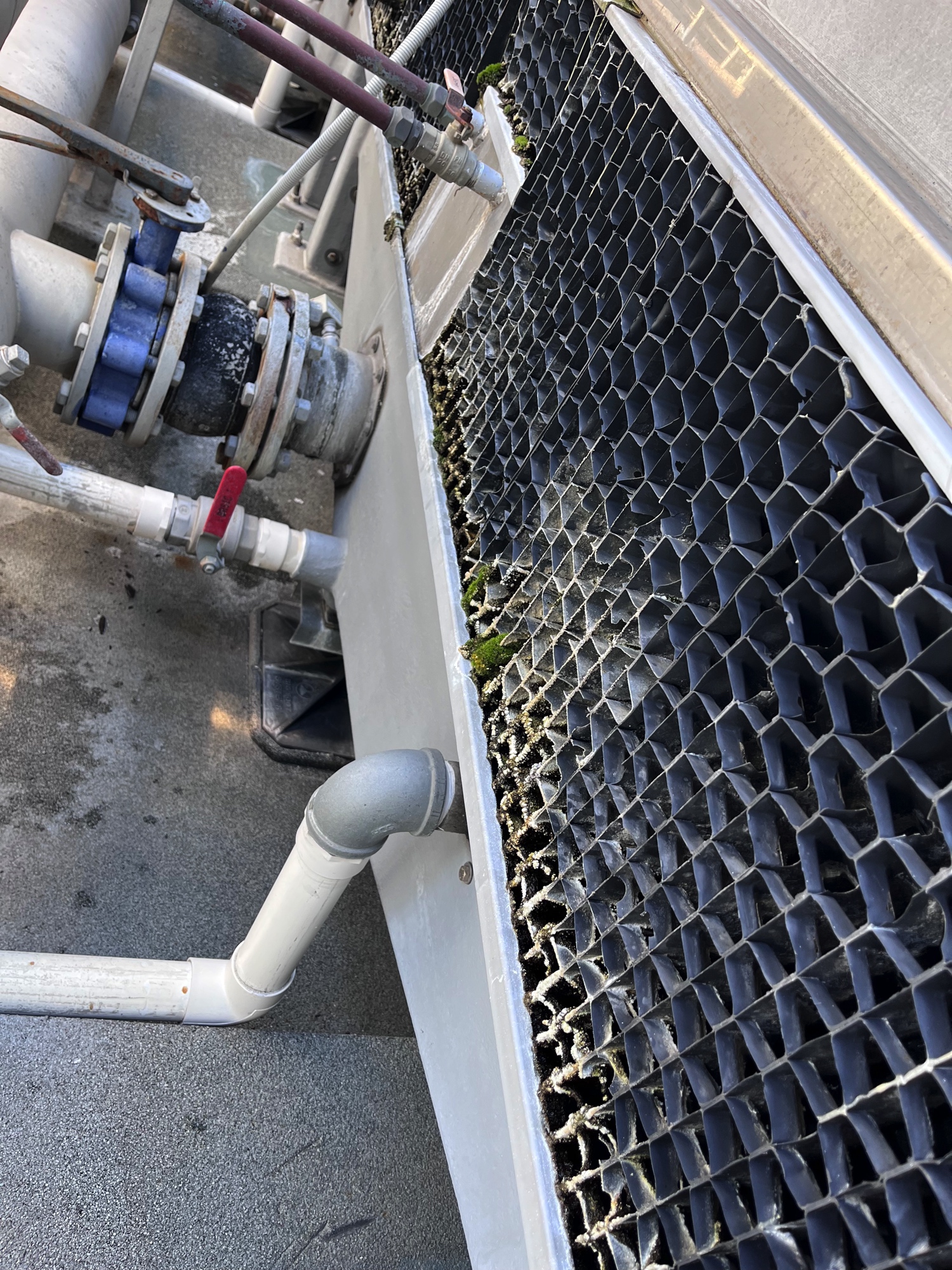
Accepting PC with incomplete O&M documentation leaves building owners without the information needed to manage their assets. Outstanding documentation becomes leverage — it must be a hard contractual requirement, not an afterthought. A building's ability to perform as designed, remain safe to occupy, and support ongoing maintenance depends entirely on the quality of the documentation left behind at handover.
Perhaps one can crawl into these ducts like in the movies — though you would not get very far. Nothing is actually wrong with these installations; they are perfectly normal. The point is simply this: not every duct is accessible for inspection, which is exactly why documentation and quality assurance at the installation stage matters so much. By the time it is in the ceiling, it is too late.
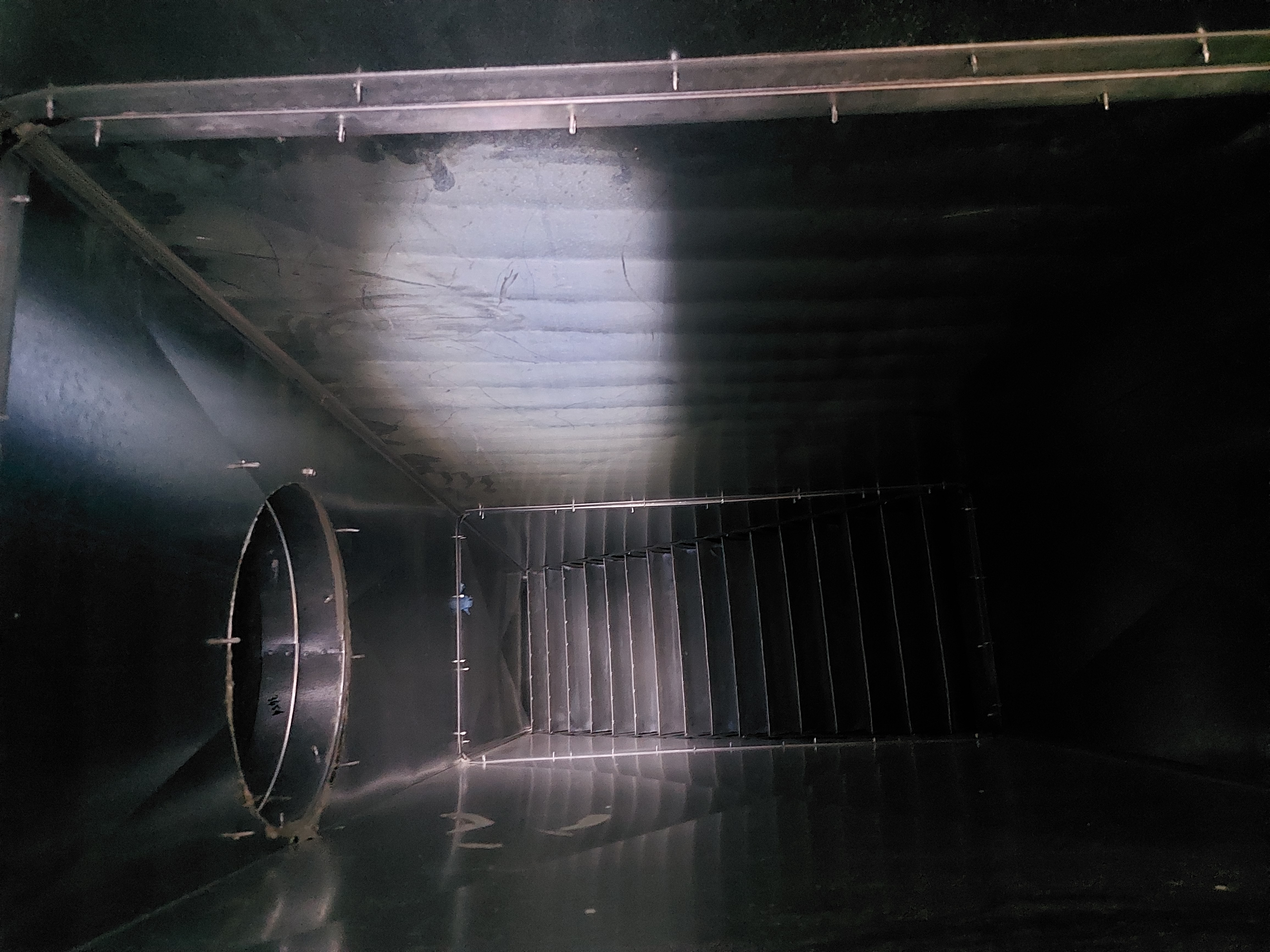
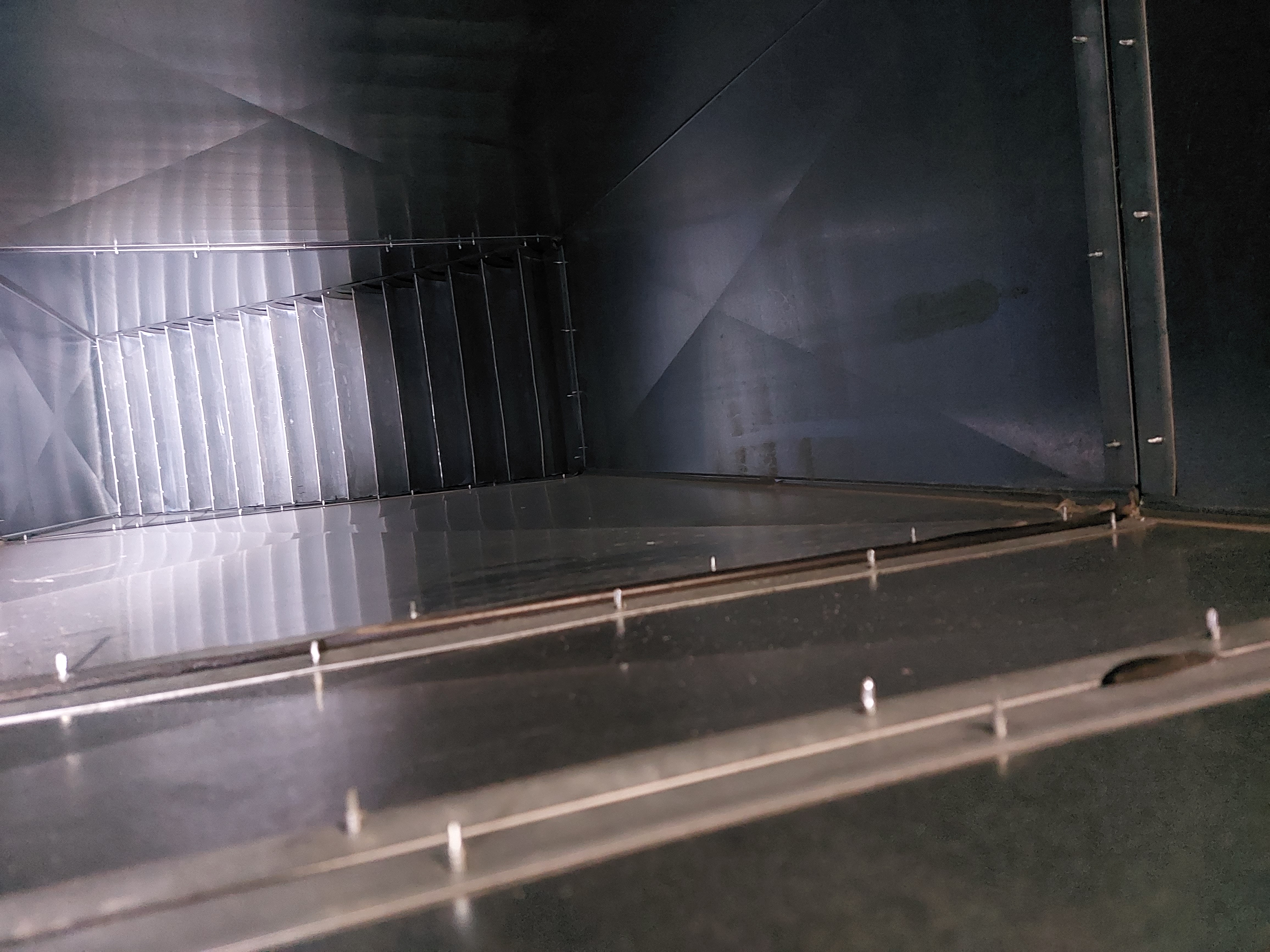

When you engage ICEQA, you engage an independent professional whose sole interest is that the building performs as designed, is safe to occupy, and leaves your maintenance team with assets they can actually manage.
Get in Touch